
Minjun Shin: False Memory as a Truth-Teller
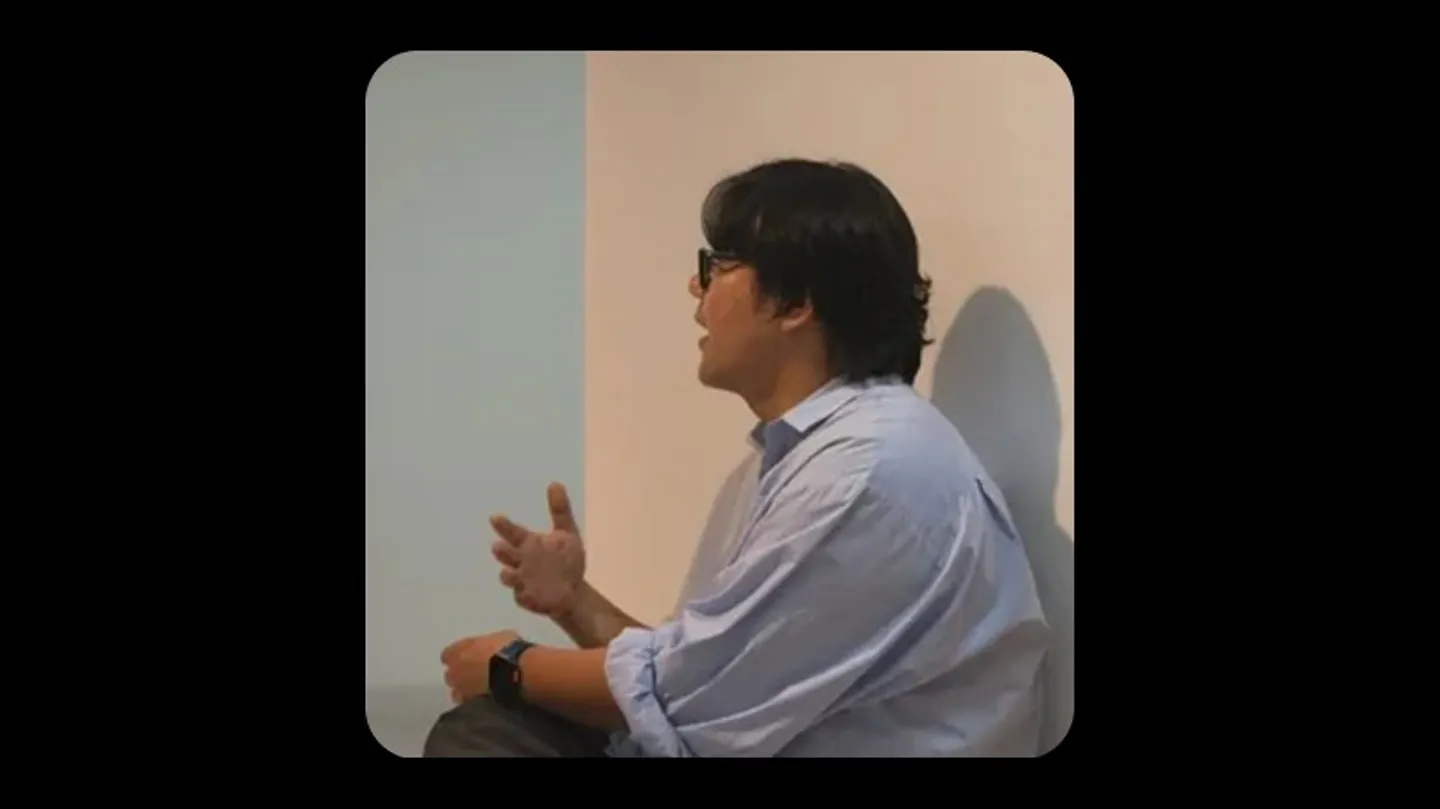
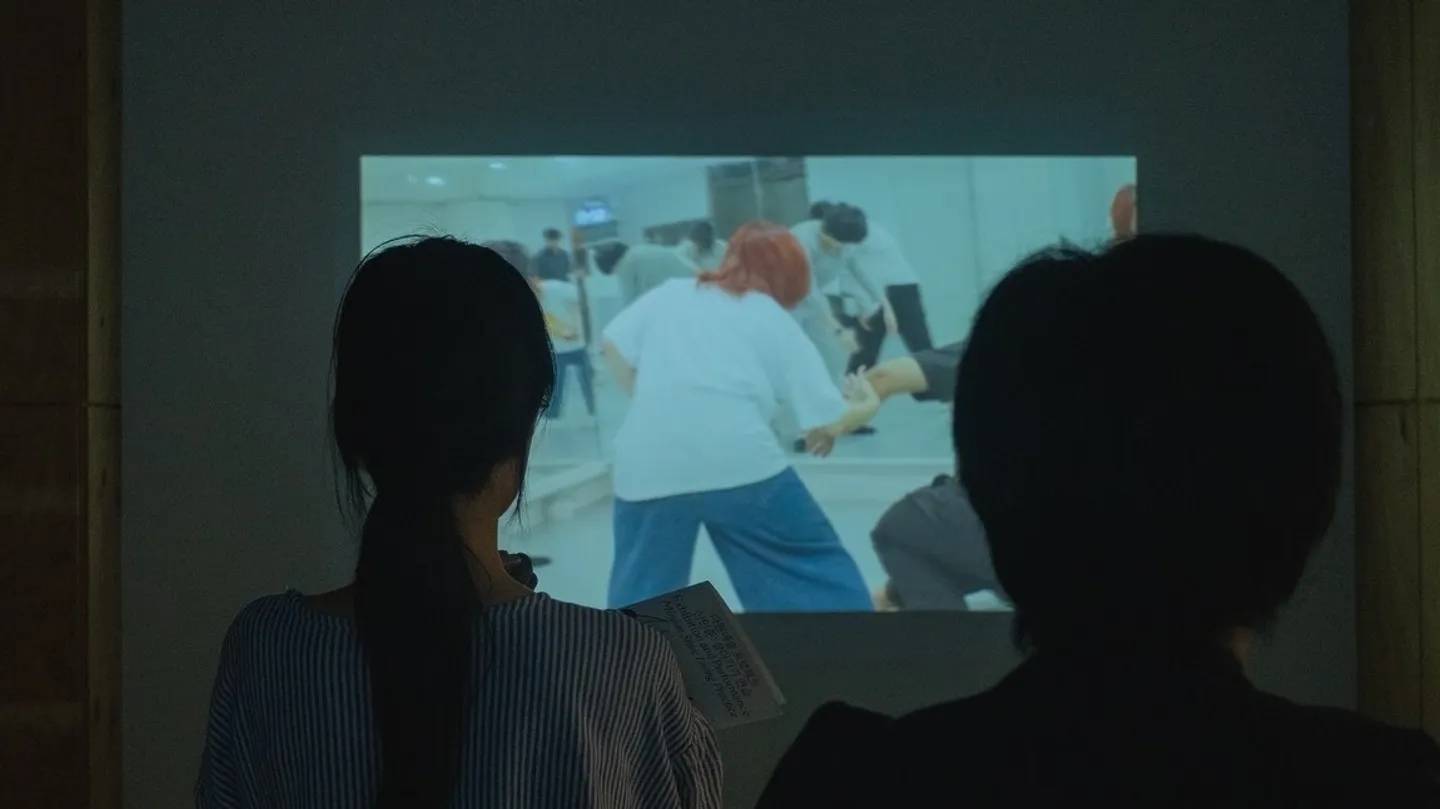
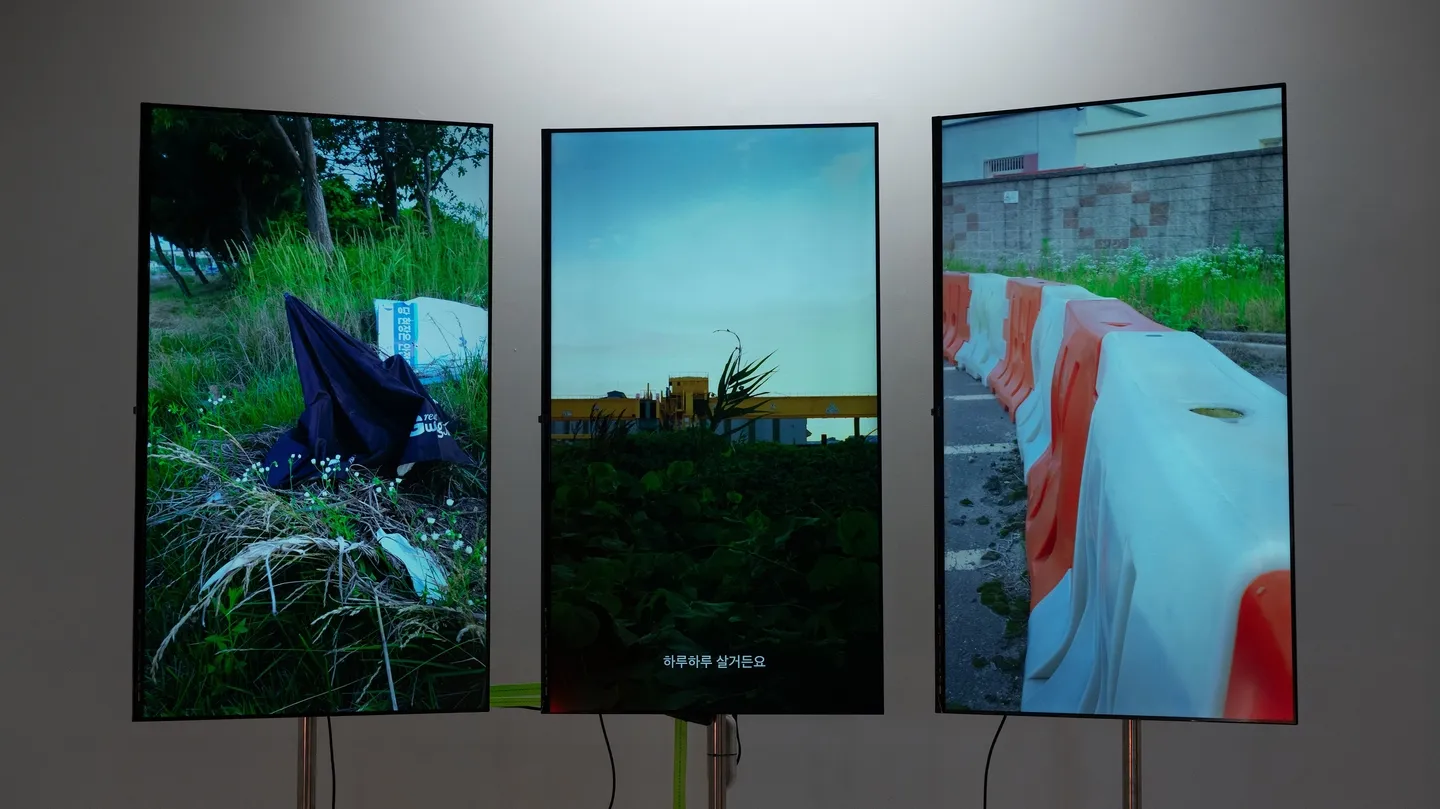
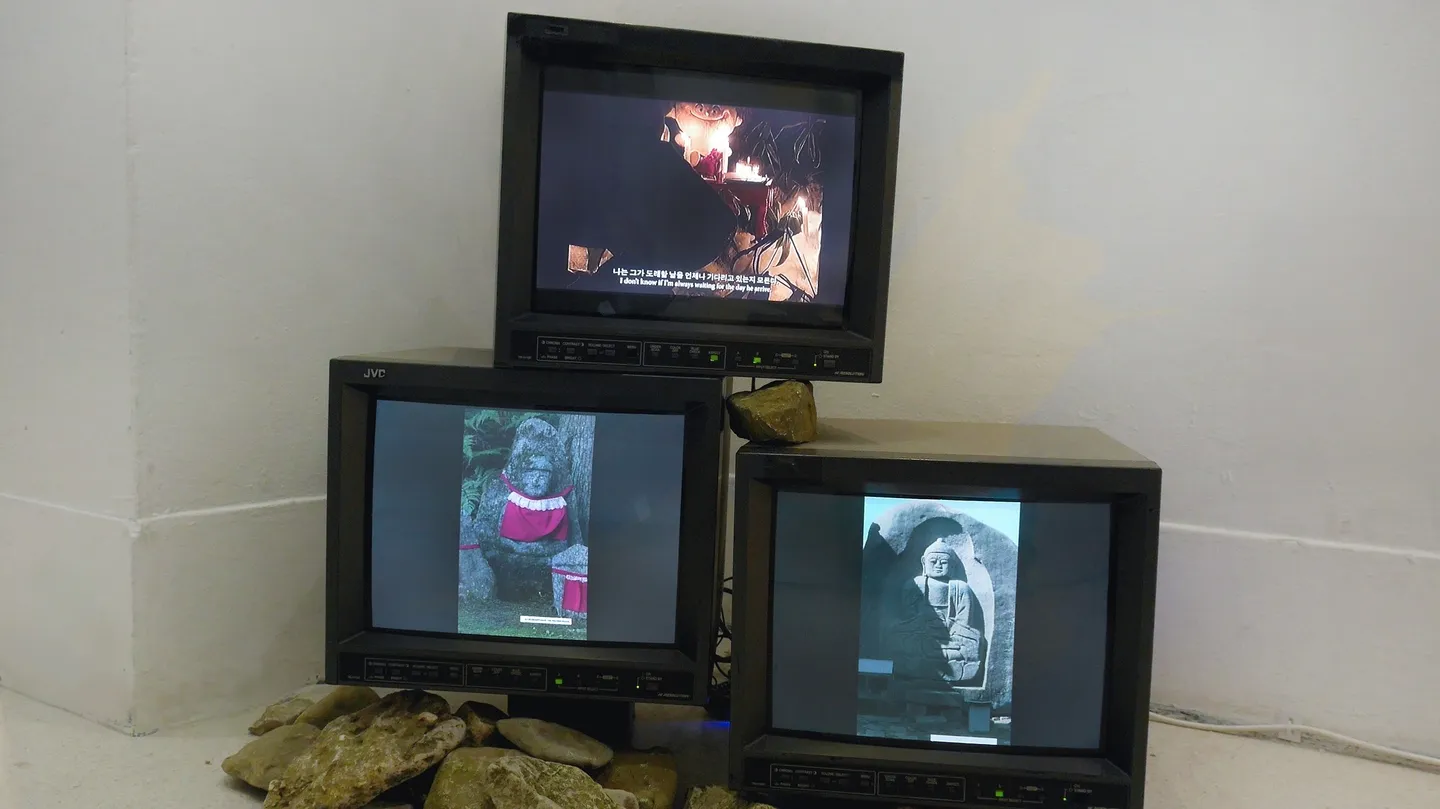
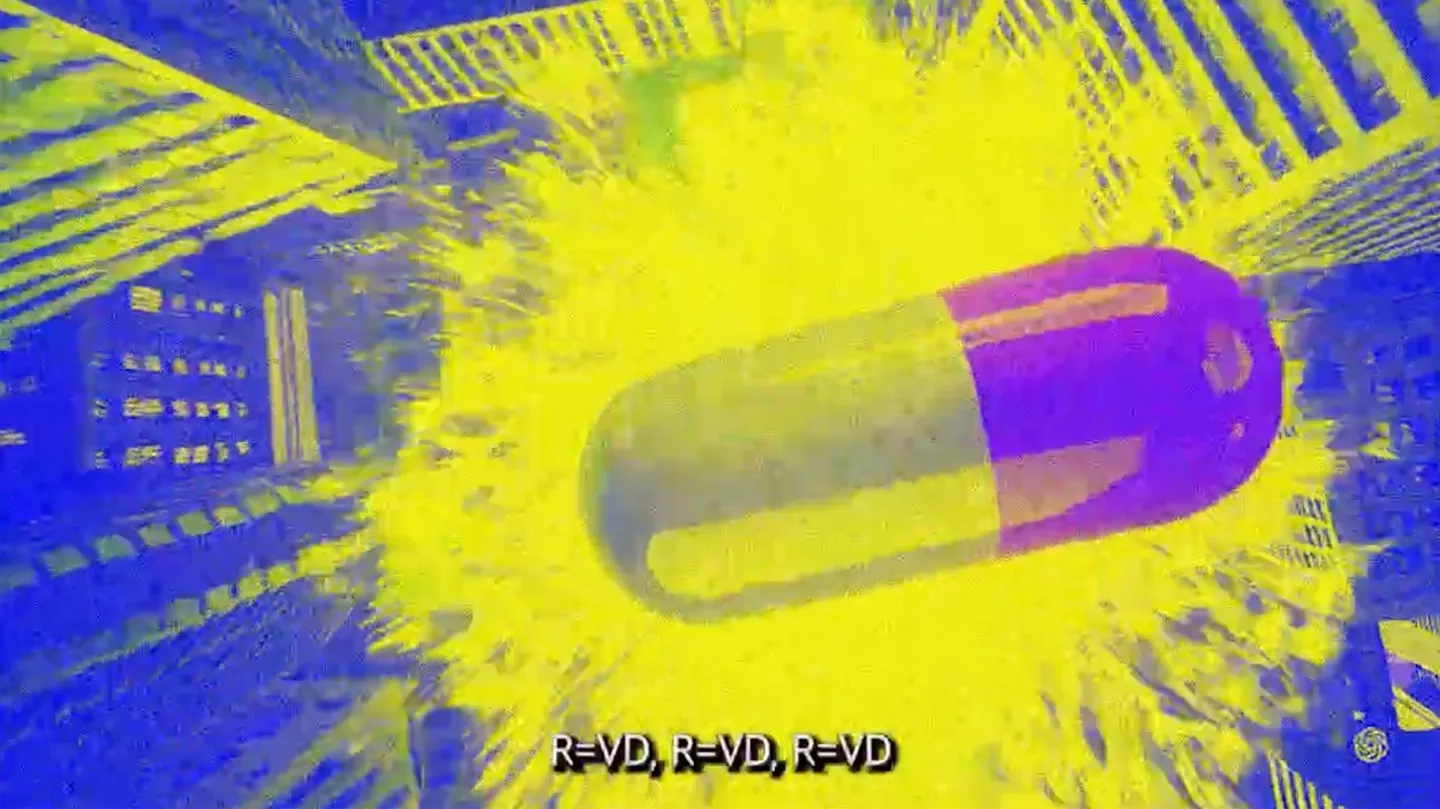
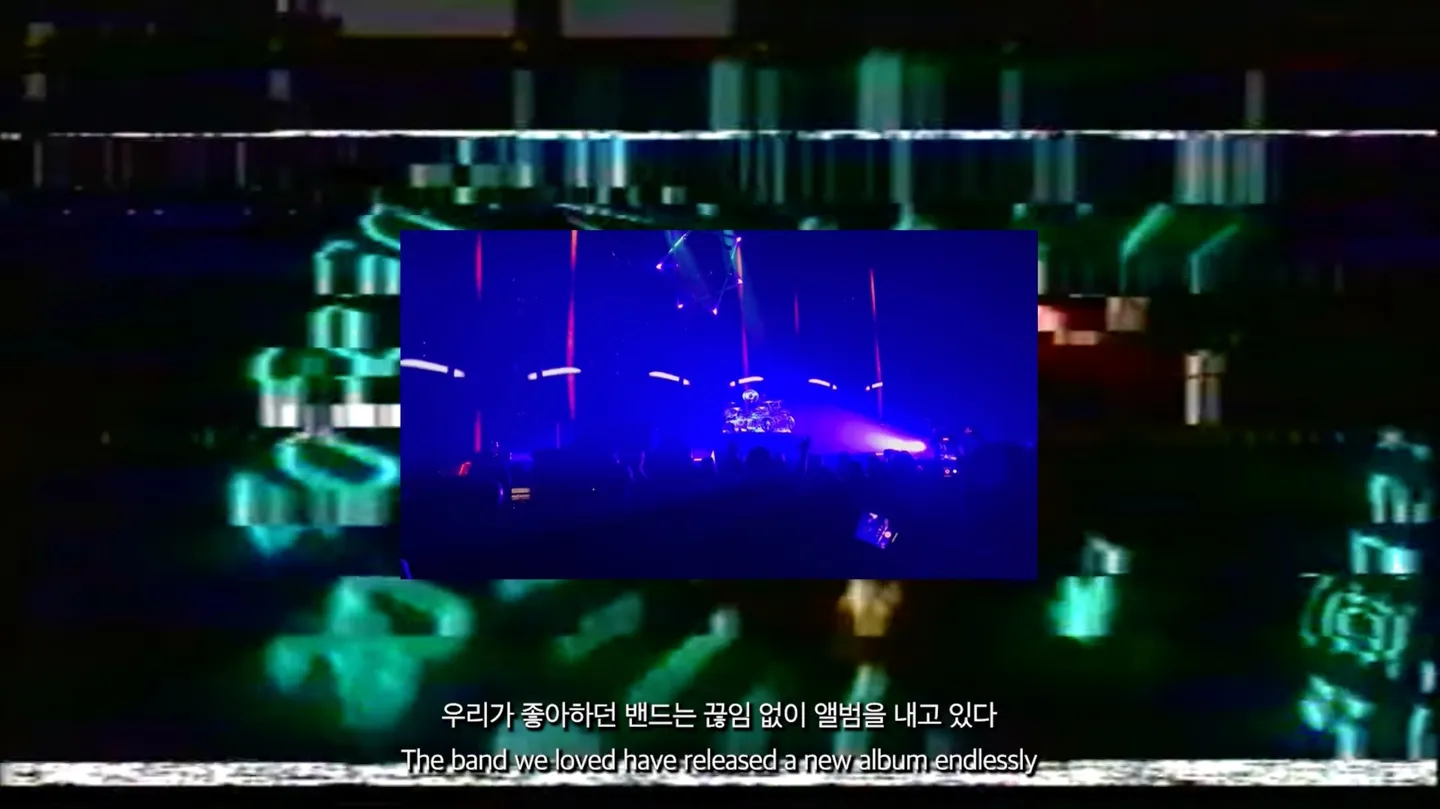
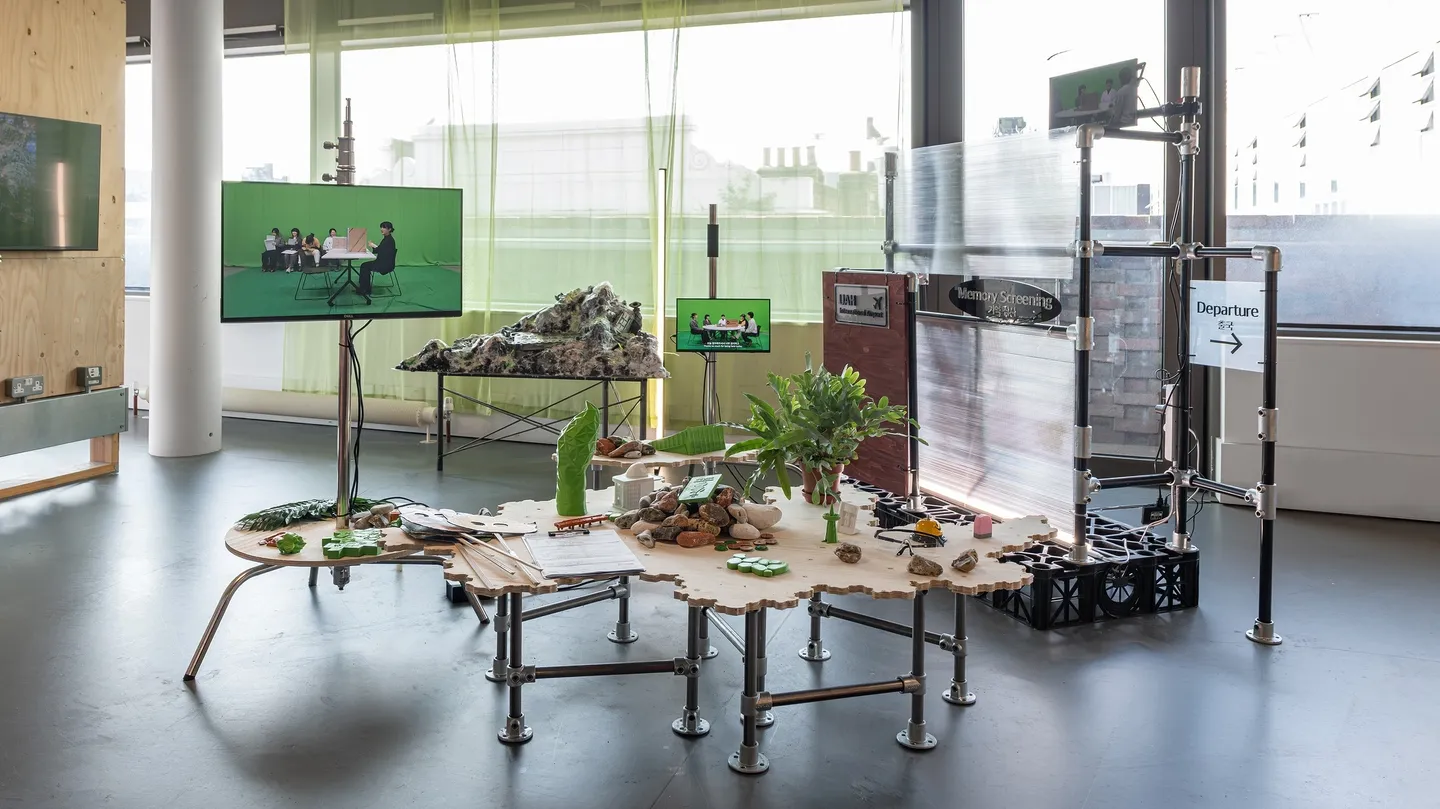
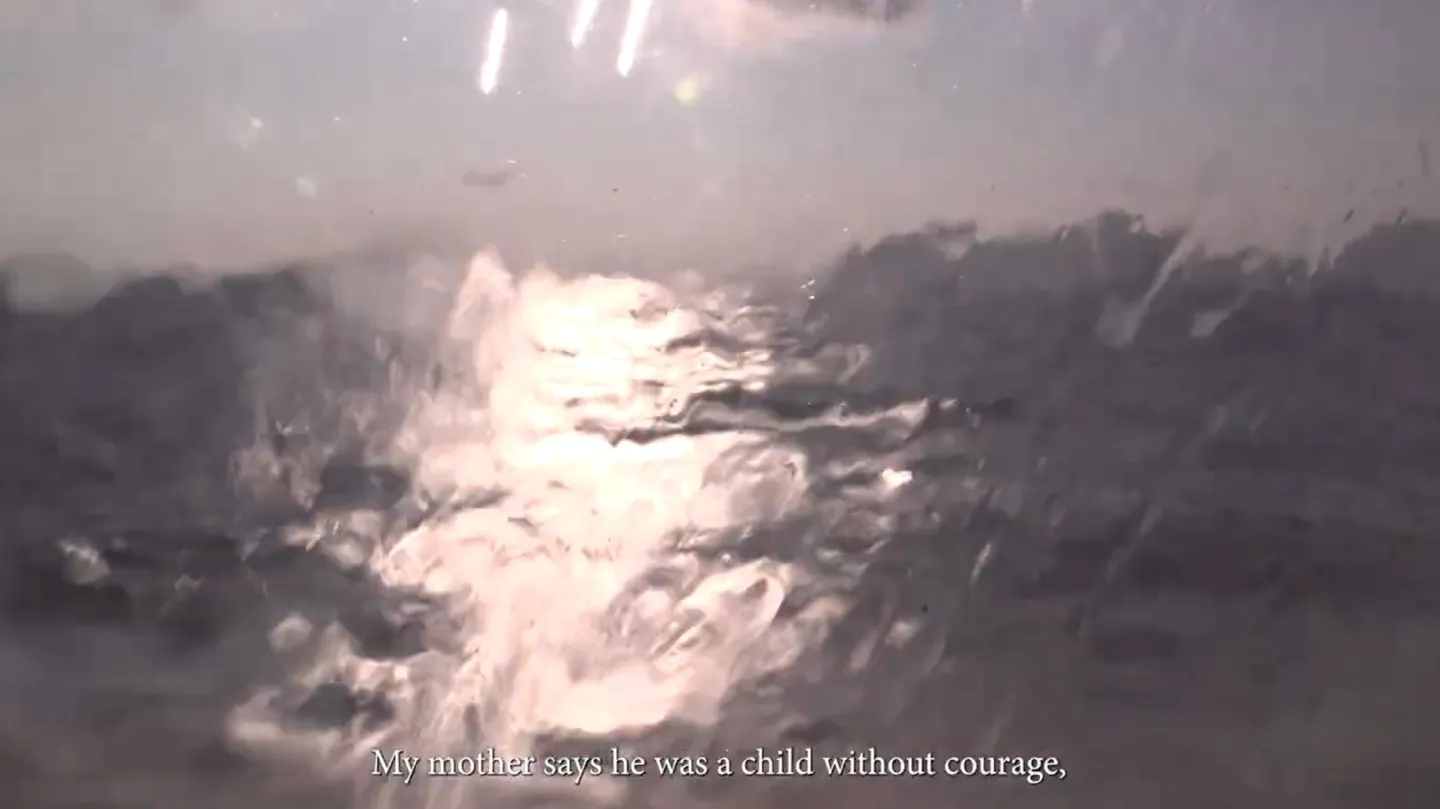
What if memory preserves not only the past, but also futures that never happened? Korean artist and director Minjun Shin was born in Busan and lives between Seoul and London, where he studied in the Contemporary Art Practice program at the Royal College of Art. He works with video, installation, archives, found objects, and collective practices, exploring the moment where private lives meet larger political and historical forces. Minjun Shin combines his own footage with amateur recordings, documents, objects, and synthetic images. He doesn’t attempt to reconstruct the past as it "really was." In his practice he interested in imprecise memories, contradictory testimonies, and images that change meaning over time. For the artist, distortion does not necessarily destroy the truth: sometimes shaky, subjective memory reveals more about a person and time than an official archive. Minjun Shin jokes that he lives like a "professional N-jobber": an artist, director, organiser, researcher, and cultural activist all in one. At the same time, he formulates his core identity much more simply, as someone who strives to make society better. This is why his practice isn't limited to creating objects and films: he organizes discussions, collaborates with others, and views relationships not as preparation for a work, but as an independent artistic medium. In the same interview, Minjun Shin says that society needs "joyful, rebellious actions". Without them, culture grows cautious and predictable. Vitality fades. For him, the challenge is to keep idealism alive without letting it become another empty slogan. It's important for him to find a balance between idealism, fantasy, and reality — not abandoning utopian thinking, but also not turning it into an empty declaration. Perhaps this is why the future in his works appears not as a world of new technologies, but as a space we have yet to learn to imagine. ❝Right now, I am focused on how memories of loss and unrealised futures can allow us to sense the present differently. Through moving image, installation, and speculative montage, I bring personal traces into contact with historical and political time, asking under what conditions other futures might become imaginable again.❞ Synthetic images, digital archives, and systems that promise ever greater speed and freedom already exist around us. But why, then, is it becoming increasingly difficult to imagine a truly different life? Minjun Shin doesn't offer a ready-made salvation plan: he seeks out small ruptures in the present through which it becomes clear once again that the existing order of things is not the only possible one.