
Liu Guangli: What We Never See
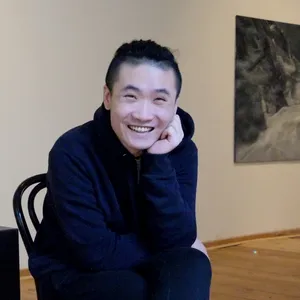
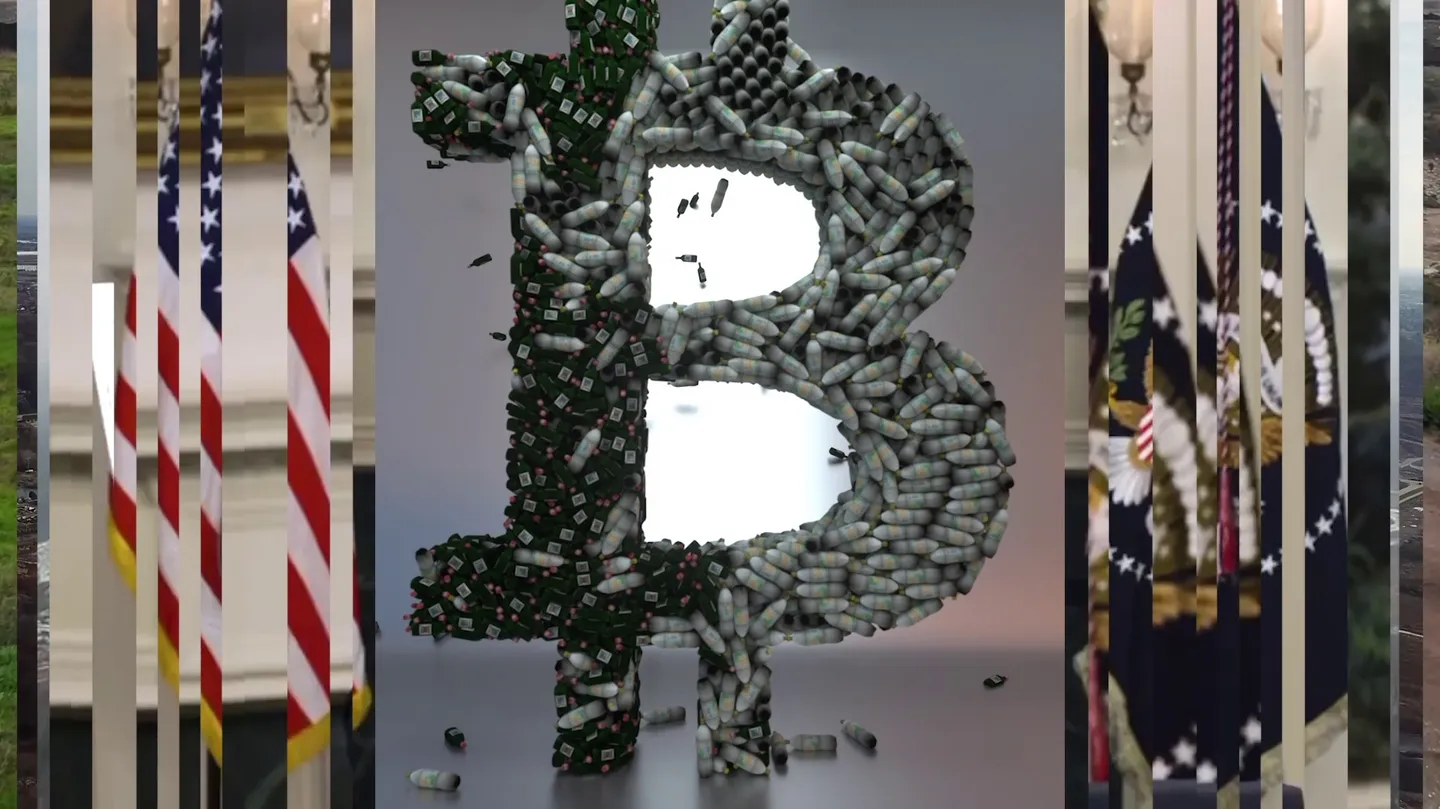
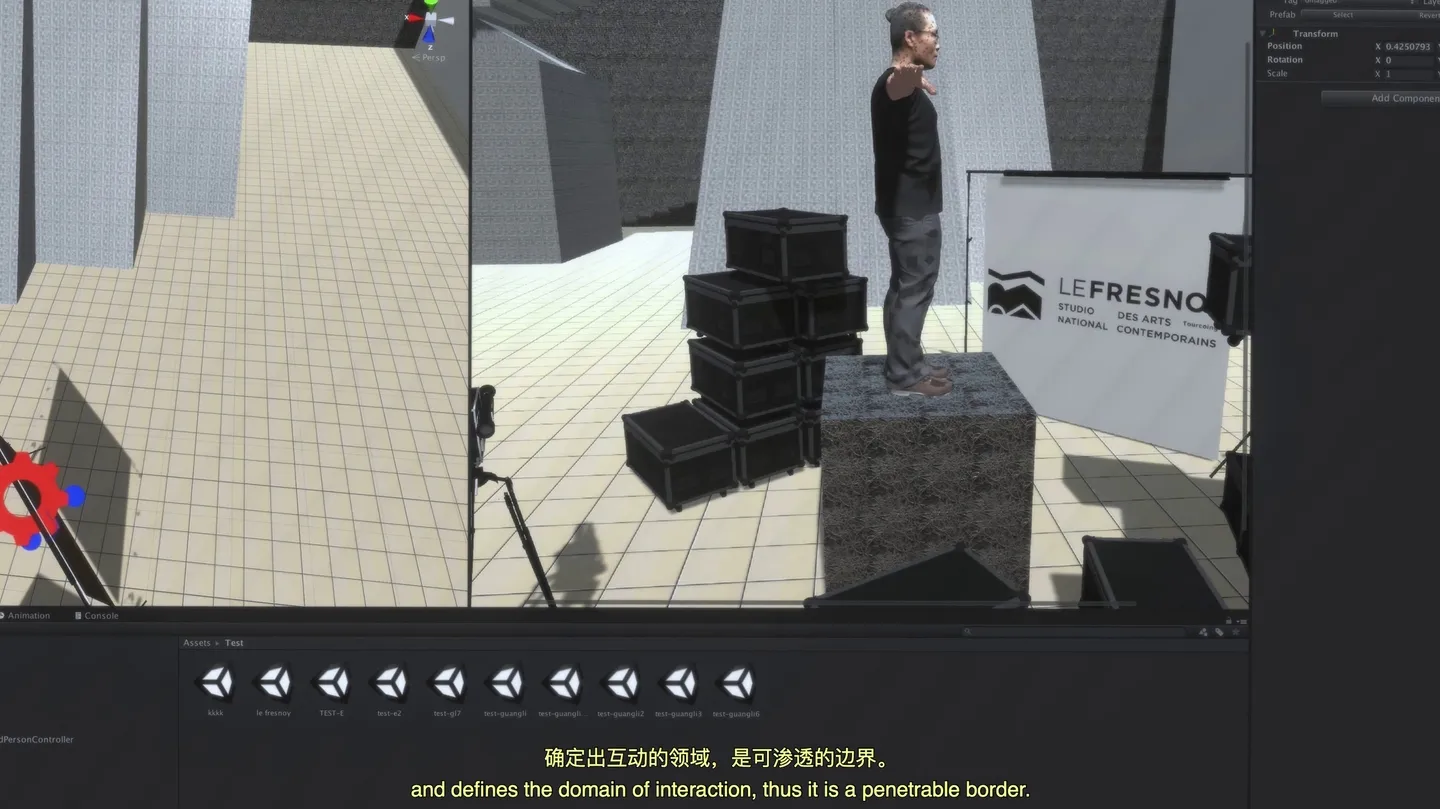
Liu Guangli (刘广隶) rarely engages with technology. He is far more interested in how images, stories, and representations of the world are born — and why we so easily accept them as reality. Born in China and educated at Le Fresnoy — Studio national des arts contemporains in France, Liu Guangli has developed a practice at the intersection of video art, installation, film, and digital technology. But technology itself is almost never his primary focus. The artist is interested in the systems that determine what becomes visible and what remains forever unimagined. Today, aphantasia — a condition in which a person is unable to create mental images — is a central concept in his practice. However, for Liu Guangli, this is less a neurobiological phenomenon than a metaphor for contemporary culture. ❝My recent productions have one keyword in focus: aphantasia — a mind without mental images. Some histories, some communities, never develop into images either. Machines today generate everything and remember everything — what never develops is the real weight of their infrastructure on the world: water, electricity, land, heat.❞ This thought permeates his latest projects. Liu Guangli draws attention to the paradox of the digital age: today, images are produced faster than ever before, yet the very conditions of their existence remain virtually invisible. Behind the endless stream of photographs, videos, and AI-generated images lie data centers, power lines, cooling systems, resource extraction, and the vast territories that support computing infrastructure. It is precisely this material foundation of the digital world, according to the artist, that almost never becomes an image. Therefore, his works rarely recount a specific event. Instead, they explore the mechanisms through which an event becomes visible. Documentary film collides with game engines, artificial intelligence with collective memory, and the historical archive with contemporary media. Liu Guangli constantly shifts the viewer's attention from the finished image to the systems that produce it, inviting us to look not only at the image but also at everything that makes it possible. Liu Guangli's practice exists at the intersection of contemporary art, cinema, media philosophy, and digital culture. Instead of creating new images, he explores the very conditions of their emergence — and reminds us that the most important processes of modernity often occur precisely where our attention is rarely directed.