IN THE SHADOWS OF PARADISE
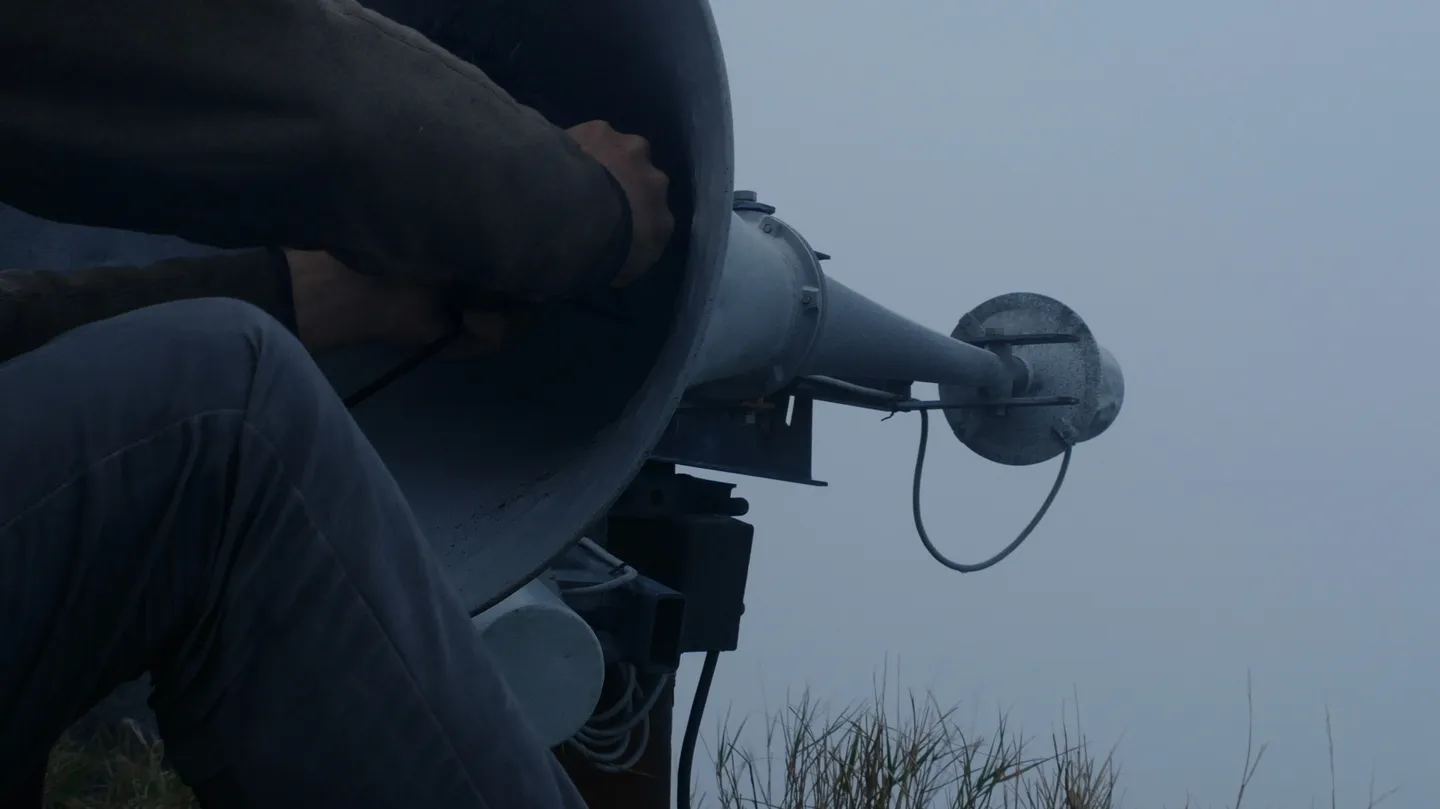
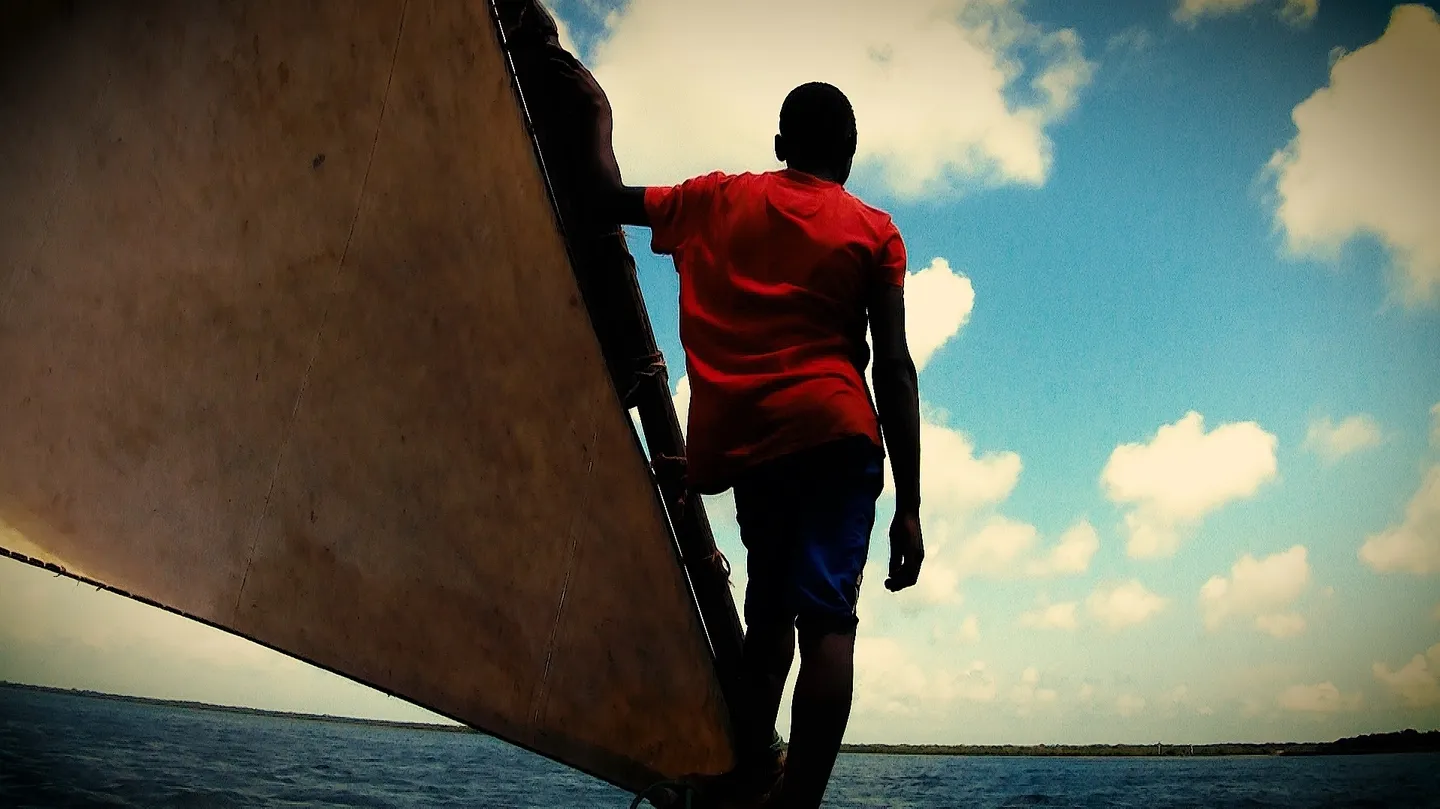
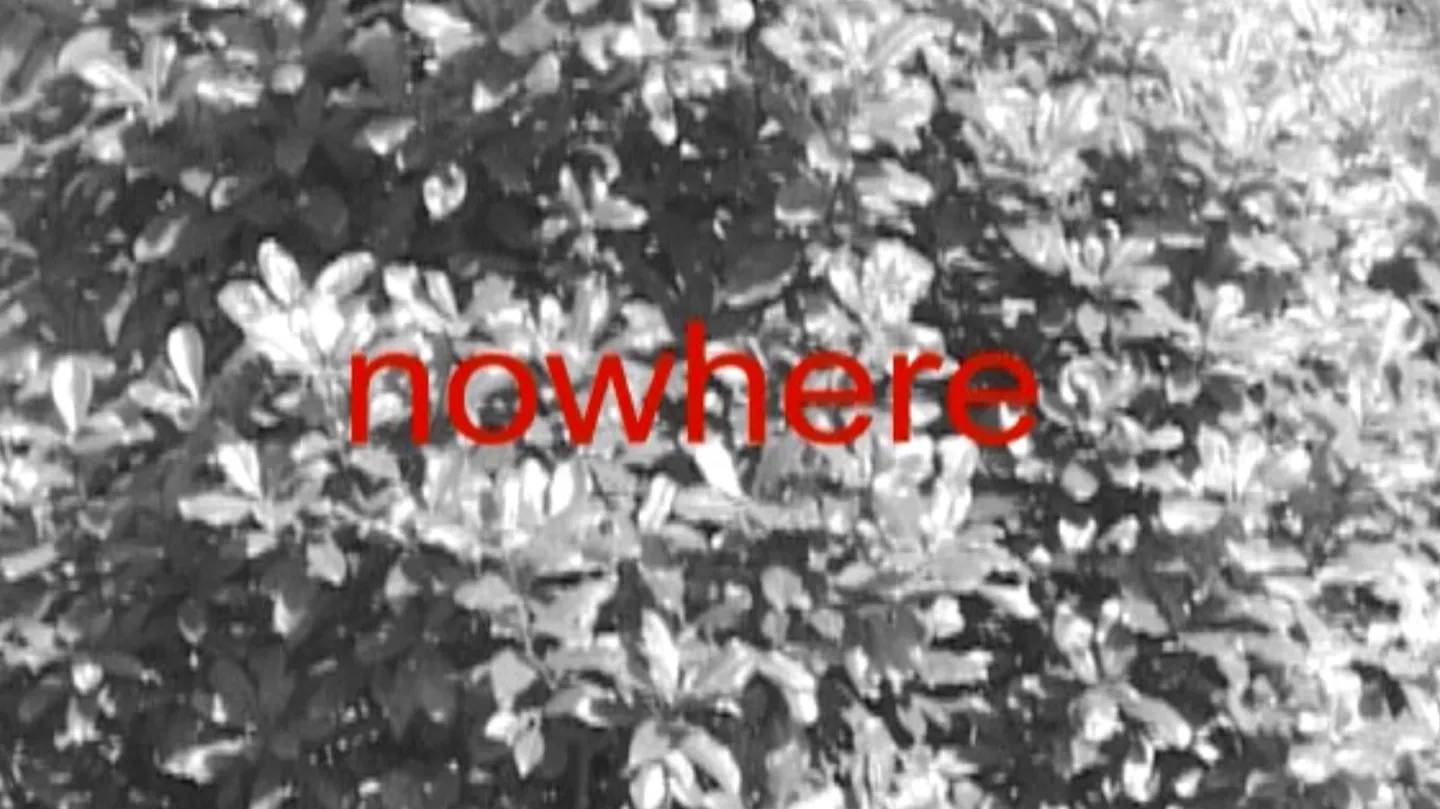
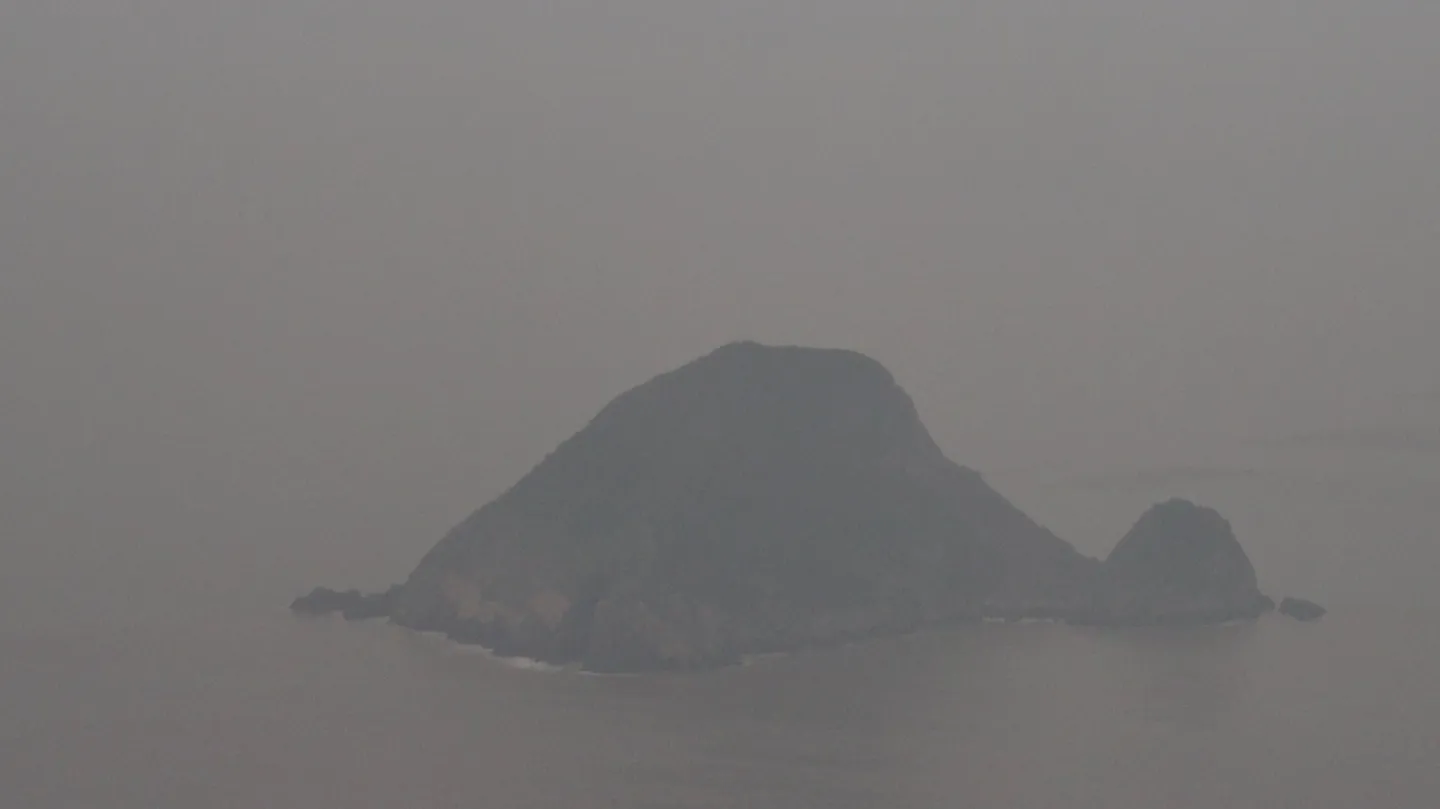
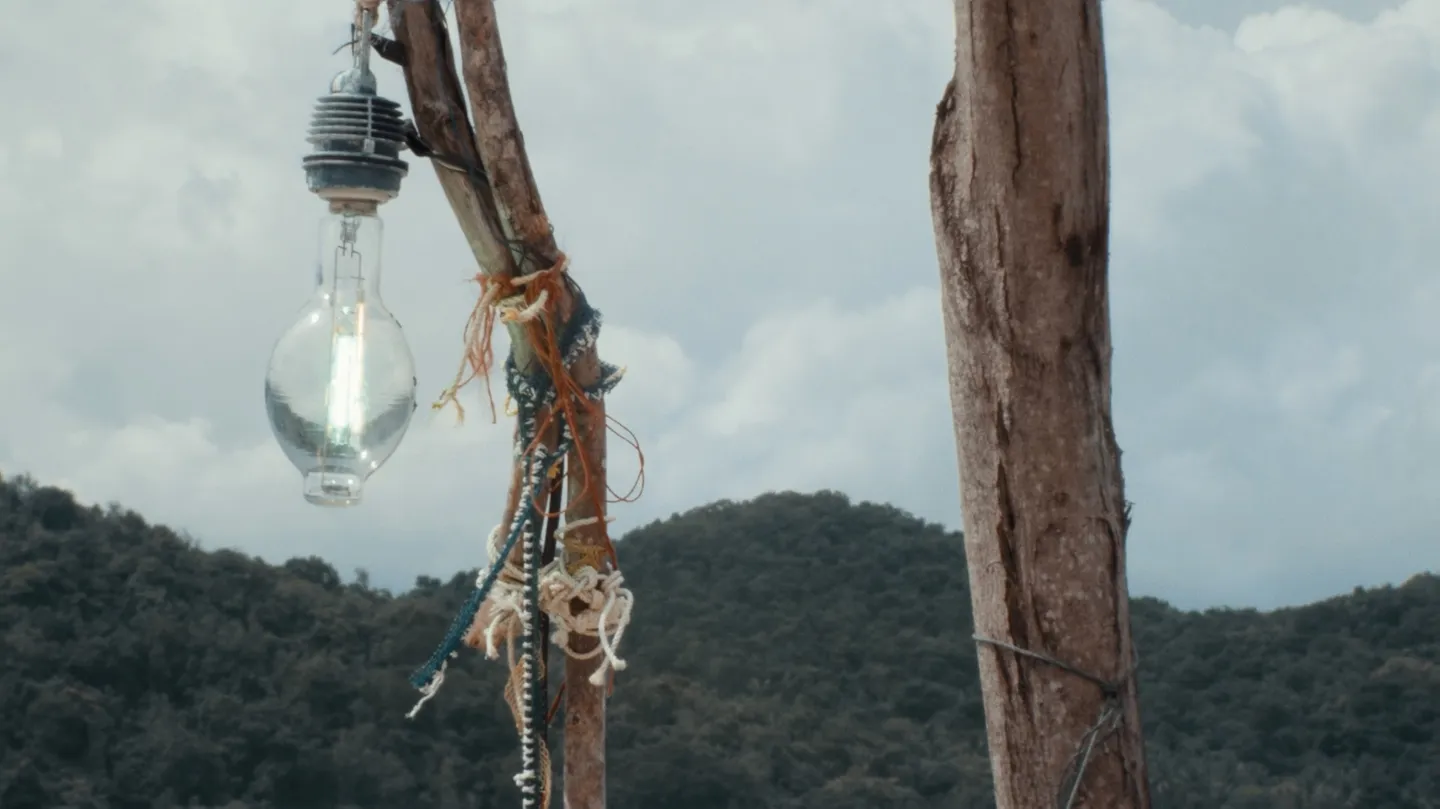
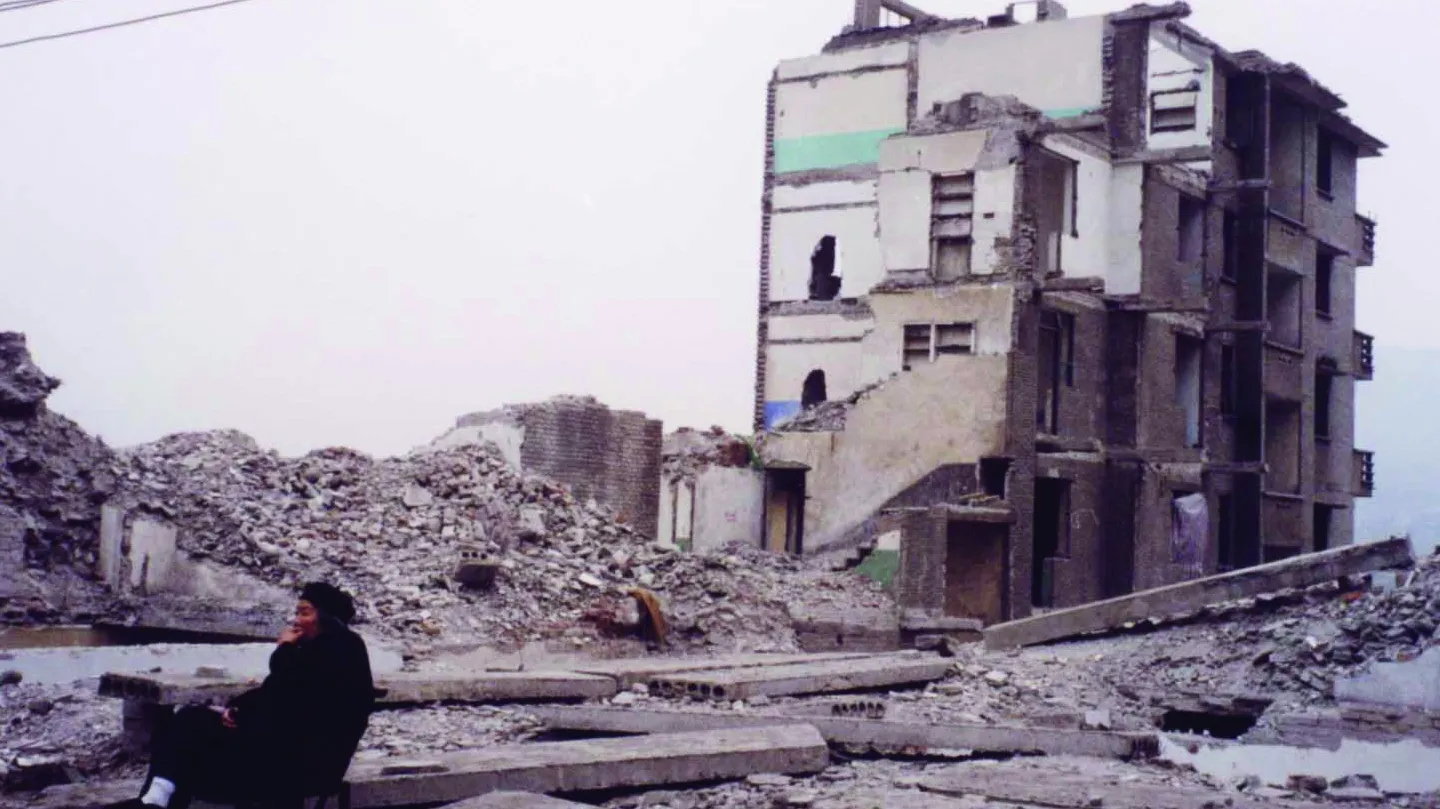
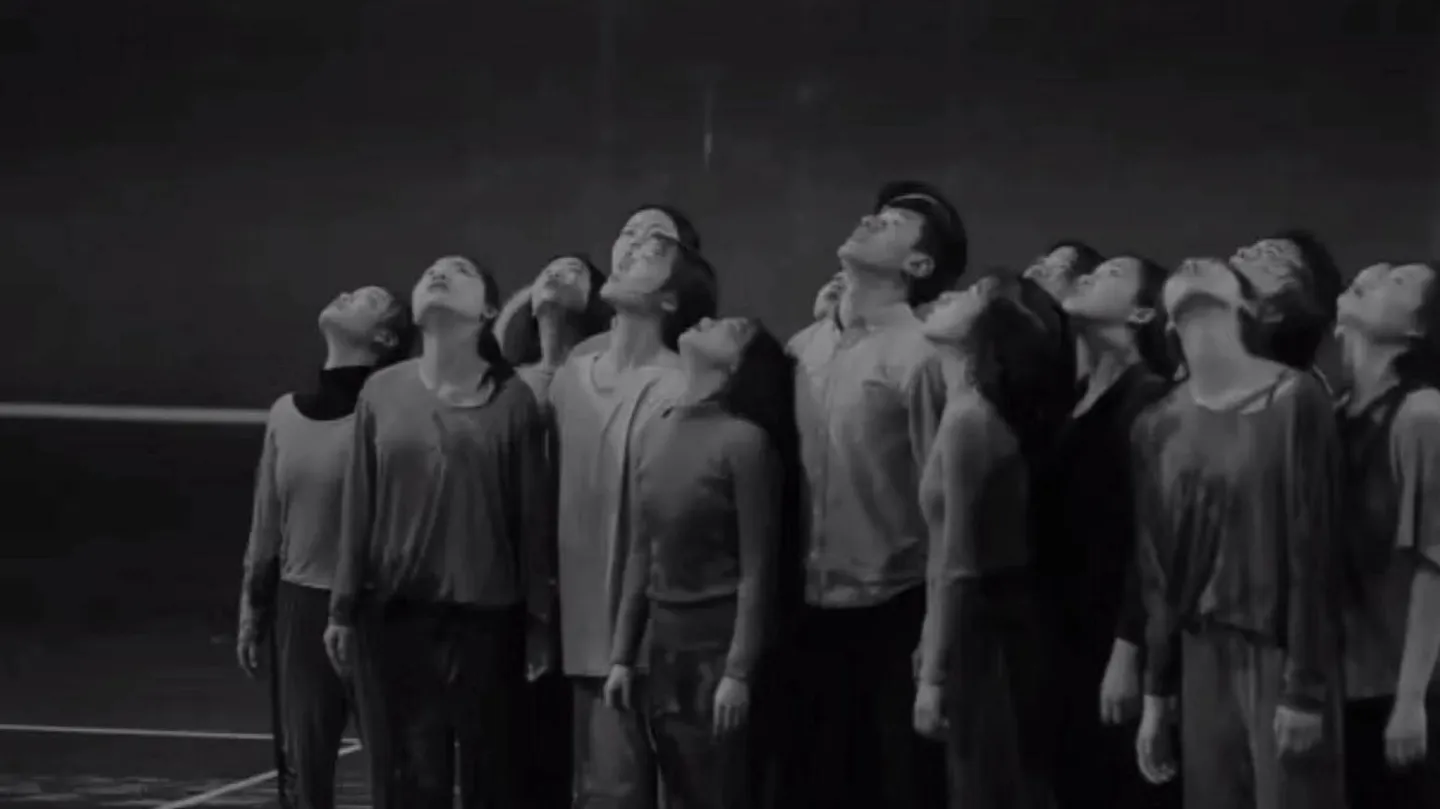
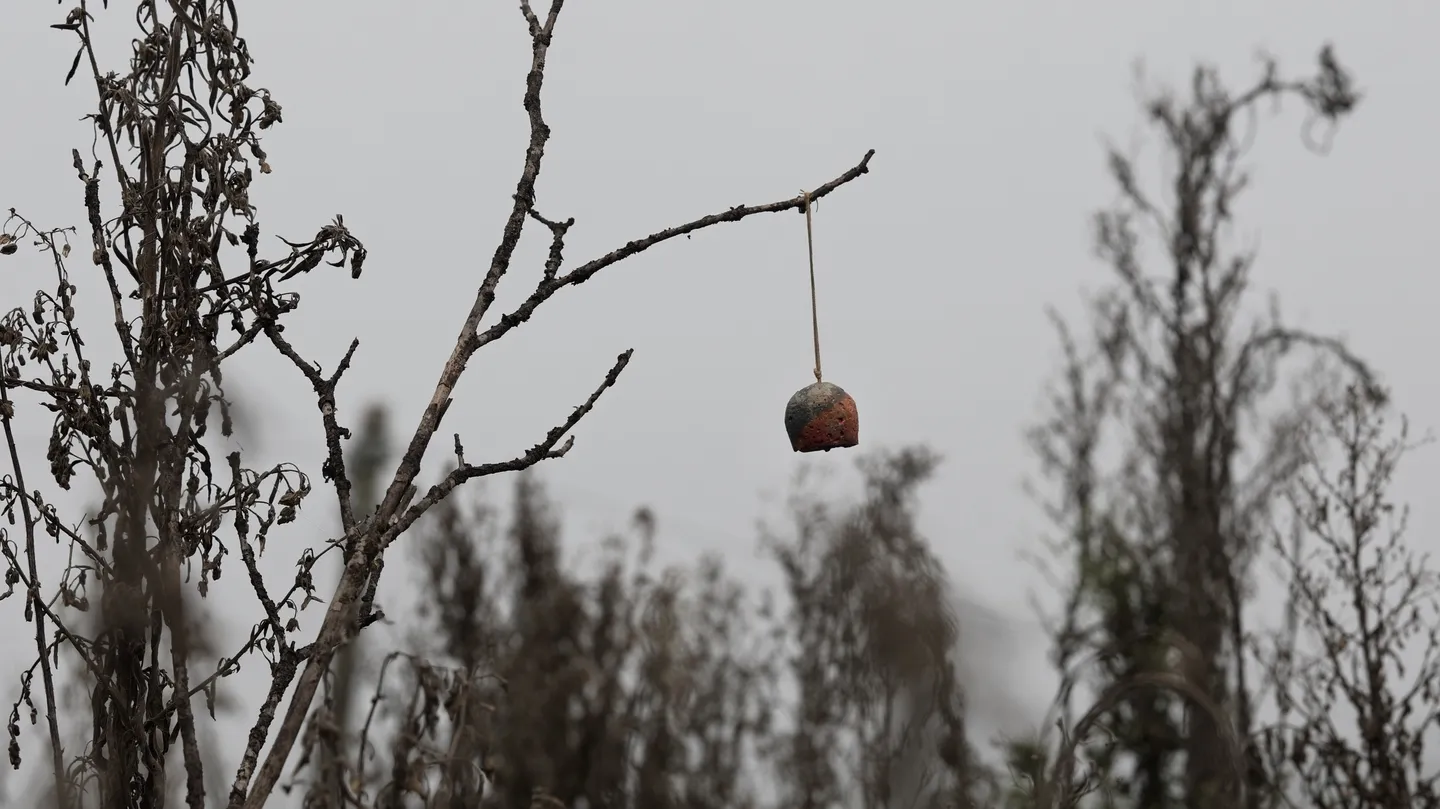
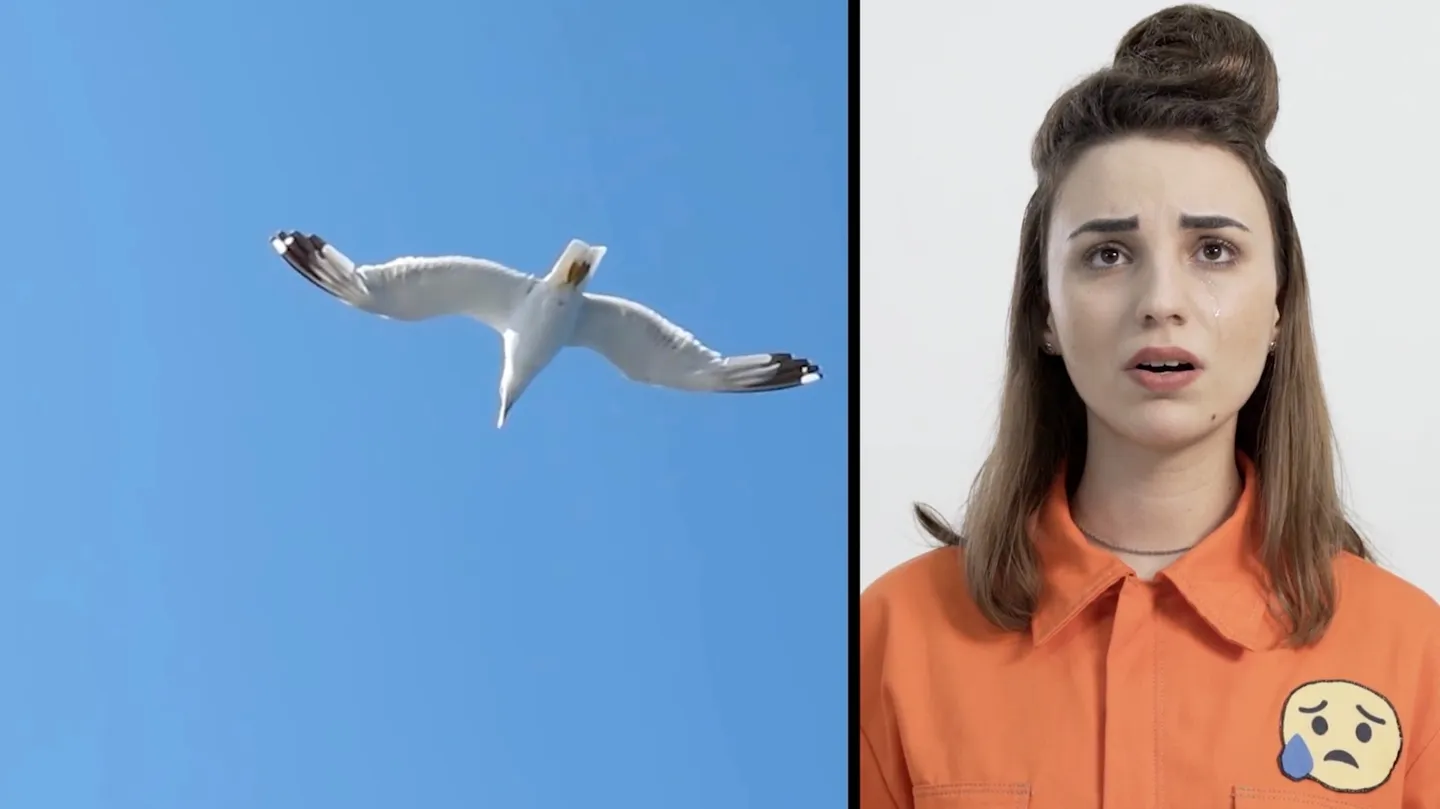
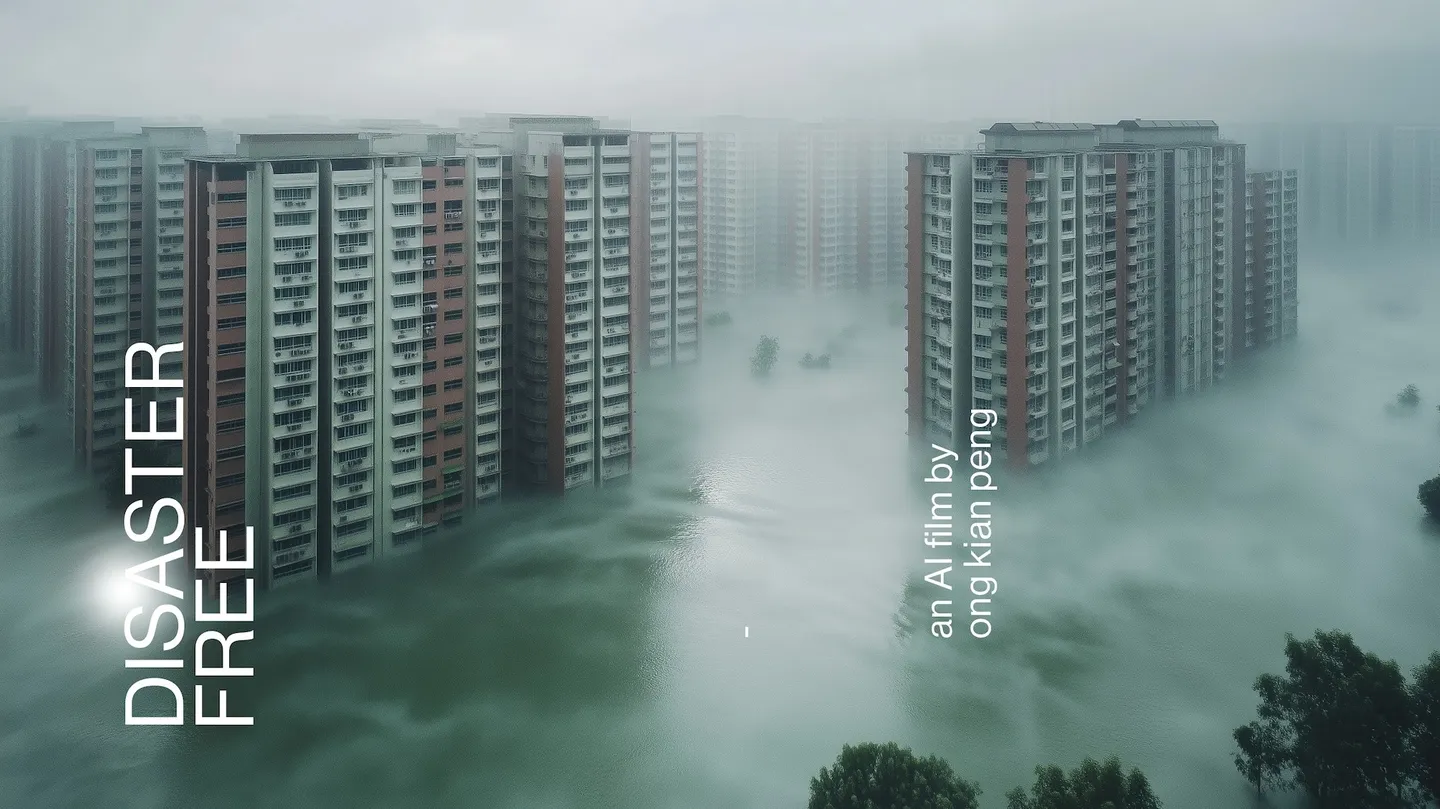
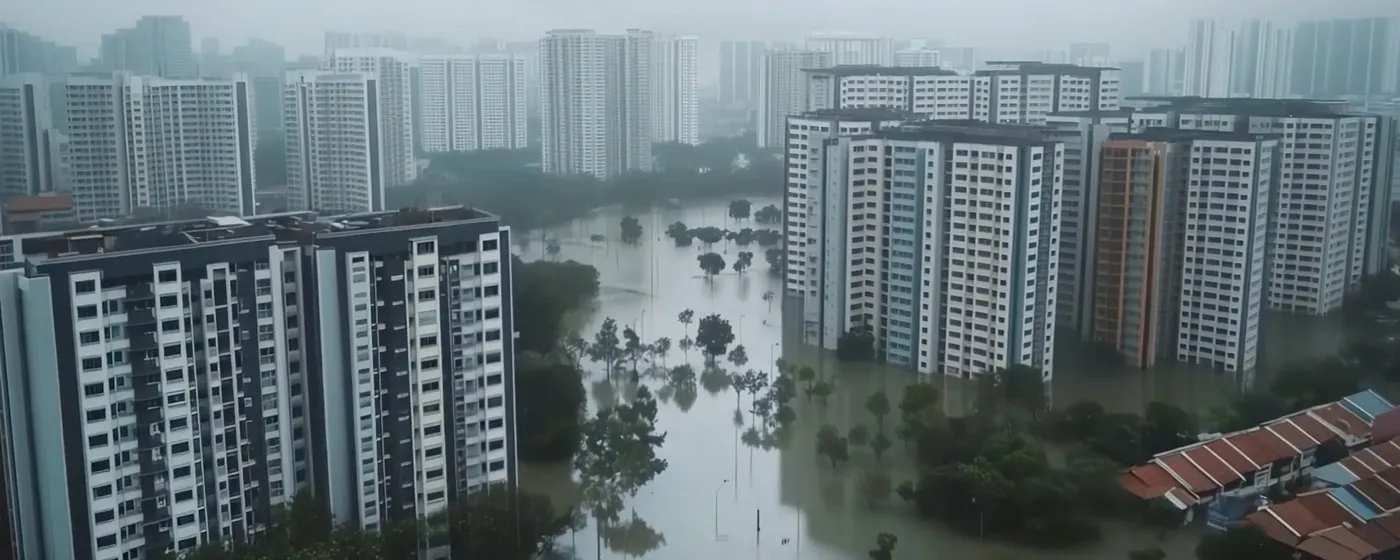
Read the full curatorial statement: https://cifra.com/article/in-the-shadows-of-paradise Artists' notes are displayed with each video. Paradise, Hell’s opposite, is a place of luxury and perfect rest that figures in many religions as the ultimate, desired endpoint where, free from suffering and worldly hardship, the soul may rest in eternity. Back on Earth, political ideologies and other constructions of power have often appropriated this idea as an incentive that entails strict conditions of belief and compliance for admission. Taken to extremes, such un-nuanced frameworks allow little space – to think, dream, imagine, act, or disagree. Artists, for the most part, refuse to think in this way and many frequent the Shadows of Paradise as a point of departure. Japanese artist Shingo Yoshida travels restlessly shooting his films. For Haunting Spirits, (2019) he returned to his homeland and has chosen the volcanic landscape and eternally crashing waves of Izu Oshima, a remote island-tourist attraction where criminals and dissidents were once confined, tortured and executed. In the shade of its roiling seas, driving mists and rocks, Yoshida records the past through the wind. As if he were a shaman, the film becomes an act of atonement for the prisoners who lived and died there and a restitution of “the voices of their souls through the roaring sounds of waves and storms.” The shadows in Ethiopian/British artist Theo Eshetu’s film Dead Boys in Paradise (2024) are from a series of works begun in 2011 set around Lamu, an archipelago on the north-western coast of Kenya. In colonial times it had prospered from the Slave Trade but recently has established an identity based on its safety, quiet, and world famous centre for Islamic Studies. The three black protagonists of this film set out on a wooden boat that glides through Lamu’s surrounding waters. While fishing, one of them jumps into the sea and its depths pulse with electrical energy. As night draws in, the mainland’s few colonial dwellings appear deserted, but a text informs us that the boat has just passed “the former house of a famous paleo-anthropologist whose team had recovered the remains of 'Turkana Boy', our most ancient ancestor…who died in these lands more than 1.5 million years ago.” As we absorb this ghostly fact, an impression of mortality, sadness, and wasted time stirs in the shadows. In her videos No Where (2003) and Mind Rehearsal (2018), Chinese artist Liang Yue cooly examines how, in an increasingly urbanised materialist world, beauty is marginalised. No Where, set in Shanghai, her home city, concentrates on the strange beauty of its high-rise towers, their shadows and silhouettes animated at night by the sadness of the people who wander through them. The multiple images in Mind Rehearsal reflect different aspects of China’s changing cultural climate. Taken together, the viewpoints and attitudes in these films reveal a mischievous delight in life’s diversity and uncanny likenesses. Chinese artist Shen Xin’s films are characterised by their interpersonal narratives revealing their political, social and economic positions. In such roles, she probes the margins of their emotions, judgement, and ethics. Warm Spell (2018), set in Thailand, follows the interaction between Chinese, Dutch and other travellers, who seeking paradise, stop on a small island to create a brief disjuncture in the life of its inhabitants. The idea of time as an inter-generational journey is a central topic in the early works of Chengdu-based artist Chen Qiulin. Her intense, elegiac video Farewell Poem (2002-2007) reveals how the swathes of demolition caused by the construction of the vast Yangtze River Three Gorges Hydroelectric Project, the Three Gorges Dam, impacted the landscape, through the remodelling of nature and demolition of old towns and villages, and the lives of the people who lived there. It seemed like they were demolishing one paradise in the hope of building another. In a series of abstract works based on dance, With Light with Shadow (2019), Chen worked with choreographer Zheng Yuanyuan and local students. For Chen, the simplicity of their movements raises questions about contemporary society: “about identity mapping, physical distance,mand the need for independence.” The question of pollution, and the way it transforms futures and dreams through environmental scars, is a central topic in the work of Jiangxi-based artist Loong Pan, who focuses on systems within nature and society that are disrupted by industrial pollution. Her video installation Wind Bell (2021) shows how phytoextraction lets her “mine” copper from wild plants, and other organic bodies contaminated by electronic waste. With this metal she casts a small bell that, heard at the film’s end, reverberates throughout nature in a note of triumph and warning. Chto Delat is a collective of Russian artists and intellectuals, now living abroad, who since 2003, have combined the critical structures of the early Soviet avant-garde with the theatrical methods of Berthold Brecht by using satire, montage and music as a way of illustrating contemporary social, political and economic conflicts. The central topic of their Opera -farce, One night in a Social Network (2020) is discerning the veracity of truth in an age increasingly dominated by propaganda, social media, and Virtual Reality. The source of this problem lies in the undermining of reason by emotional memes and other forms of miscommunication such as emoticons and gif-animations that aim to manipulate public opinion. In their illustration of this, Chto Delat have chosen one memorable event – the staged “murder” of Arkady Babchenko, an anti-Putin Russian journalist – in 4 Acts, a prelude and Epilogue. Zheng Guogu’s video Me and My Teacher (1995) was filmed in his hometown of Yangjiang two years after graduating from the Academy of Fine Arts in nearby Guangzhou. It records the daily life of a homeless young man living in the city’s streets and is a tribute to his personal aura and uncompromising insistence on spontaneity and freedom. Shot literally in the shadows of the commercialised paradise that China had become, this work is an implicit critique of the uninspiring education that Zheng had received. Subsequently, he pursued the ideals of working impulsively and freely that he had learnt from this teacher and in this spirit has produced paintings, sculptures, and objects, as well as environments and gardens, in which they may be seen. The lapidary brilliance of the oppressive world to which the Russian artists Tatiana Arzamasova, Lev Evzovich, Evgeny Svyatsky and Vladimir Fridkes, otherwise known as AES+F, refer in their video The Feast of Trimalchio, (2009) is an indulgent and luxurious vision of paradise and an evocation of Roman decadence in contemporary dress. Educated in the Soviet Union, respectively as architects, a designer and a fashion photographer, first exhibiting as a group in 1989, and now living in New York and Berlin, they have observed one Soviet empire fade, and another one twitch shamefully into life. Based on a 1st Century satire by Petronius, The Feast of Trimalchio baldly states that the present has become a time of slaves, masters, and smouldering social discontent, punctuated by wars, riots, bread and circuses. In their depiction of a high-net-worth paradise, AES+F have created an absurd parody that relentlessly exposes each fascinating, nauseating, detail. Misplaced dreams, false utopias, human follies, vain desires and the abuse of power recur throughout Zhou Xiaohu’s work. In his split-screen, wide angle video, A Garden of Earthly Delights (2016), dreams appear poetically, obliquely, philosophically, humorously and sardonically as shadows in a journey between the mythic and the “real” world that are open for the visitor to participate. Zhou mediates this through puppetry, animation, assemblage, video, photography, projection, installation and performance, and animates it by mashing together such diverse images as Hieronymus Bosch’s masterpiece The Garden of Earthly Delights (1490-1510), with classical Chinese paintings, folk art and myth, philosophical statements, and contemporary industrial and rural landscapes. I first knew of Pavel Otdelnov’s work as a painter in 2014 and remembered that he was engaged with a personal and industrial archaeology of ruined dwellings and wastelands around Dzerzhinsk, where his family had once lived and worked. For His film Subjects of Memory (2016), he interviewed elderly family members and retraced the destroyed Workers’ Settlements where both his parents were born as well as the top-secret chemical factories nearby where they worked. Effluent from these factories polluted their surroundings from the beginning, and has continued long after. Sludge, the final section of the film, shows this dire legacy as “Terrible Beauty”. Like many other abandoned factories across the whole of Russia, it has anonymously bequeathed its toxic pollution to the future. Disaster Free (2024), Ong Kían Peng’s AI-generated video looks darkly at Singapore’s future through global warming, a rise in sea levels and the cyclical danger of catastrophic flooding. Yuexi, its young Singaporean protagonist, explains how her Japanese mother found the family an exclusive sea-view apartment but, after a short time, they were flooded out. Looking back to when she was ten, she remembers her father coming home with life vests for all the family. The film shows images of water running through the streets followed by the ocean depths. Yuexi appears in a life vest, floating in the street. “These buildings were nothing more than fragile stopgaps,” she tells us, "In the end all we could do is stand by and watch as the water crept higher and higher…”. This paradise may be washed away, along with many others, but within the cycle of acceptance, memory, history, and future, its possibility will always remain imminent.