
Claudia Larcher: Spaces in Motion
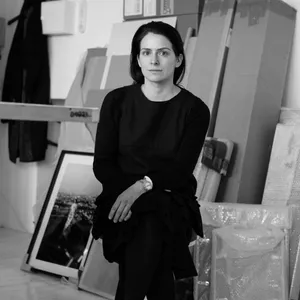
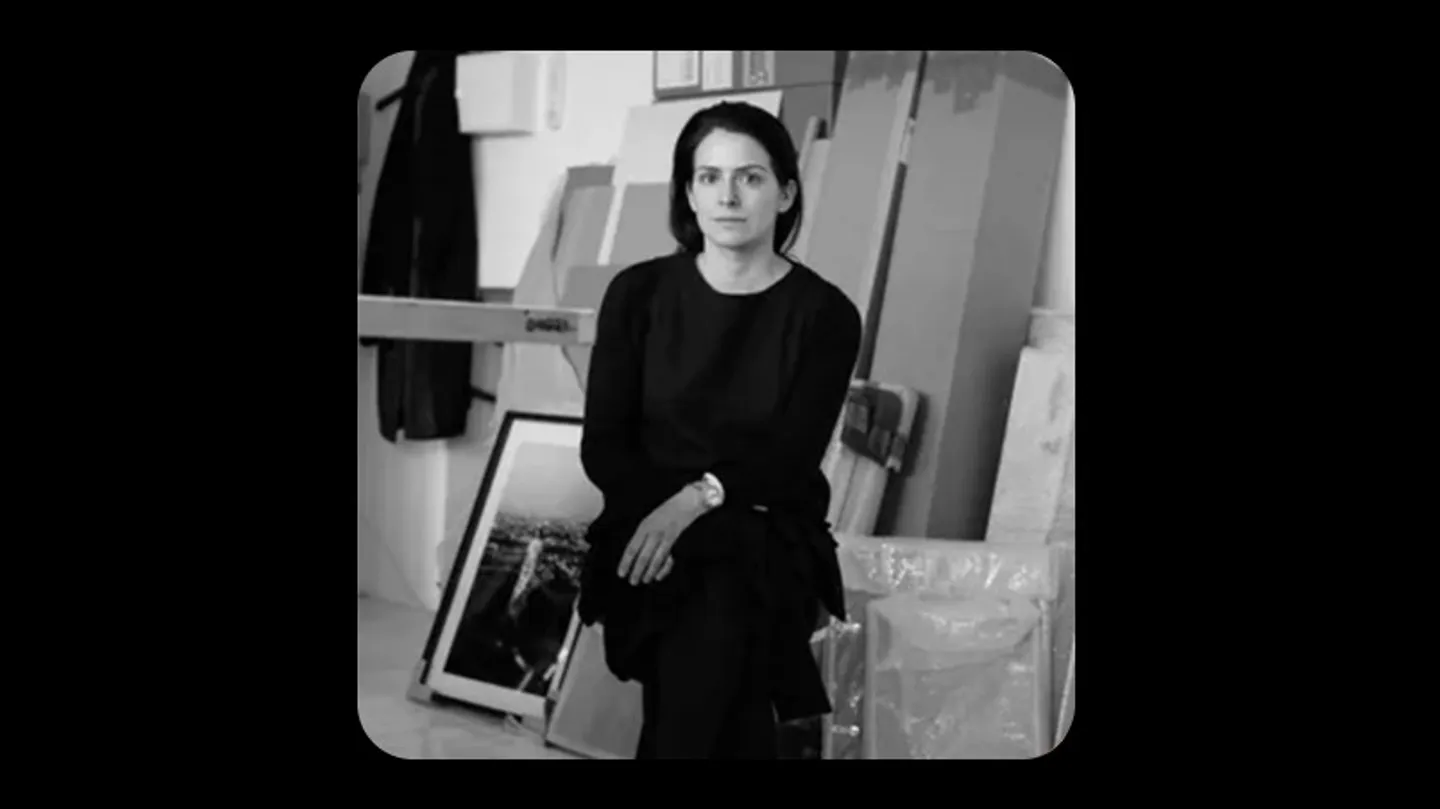
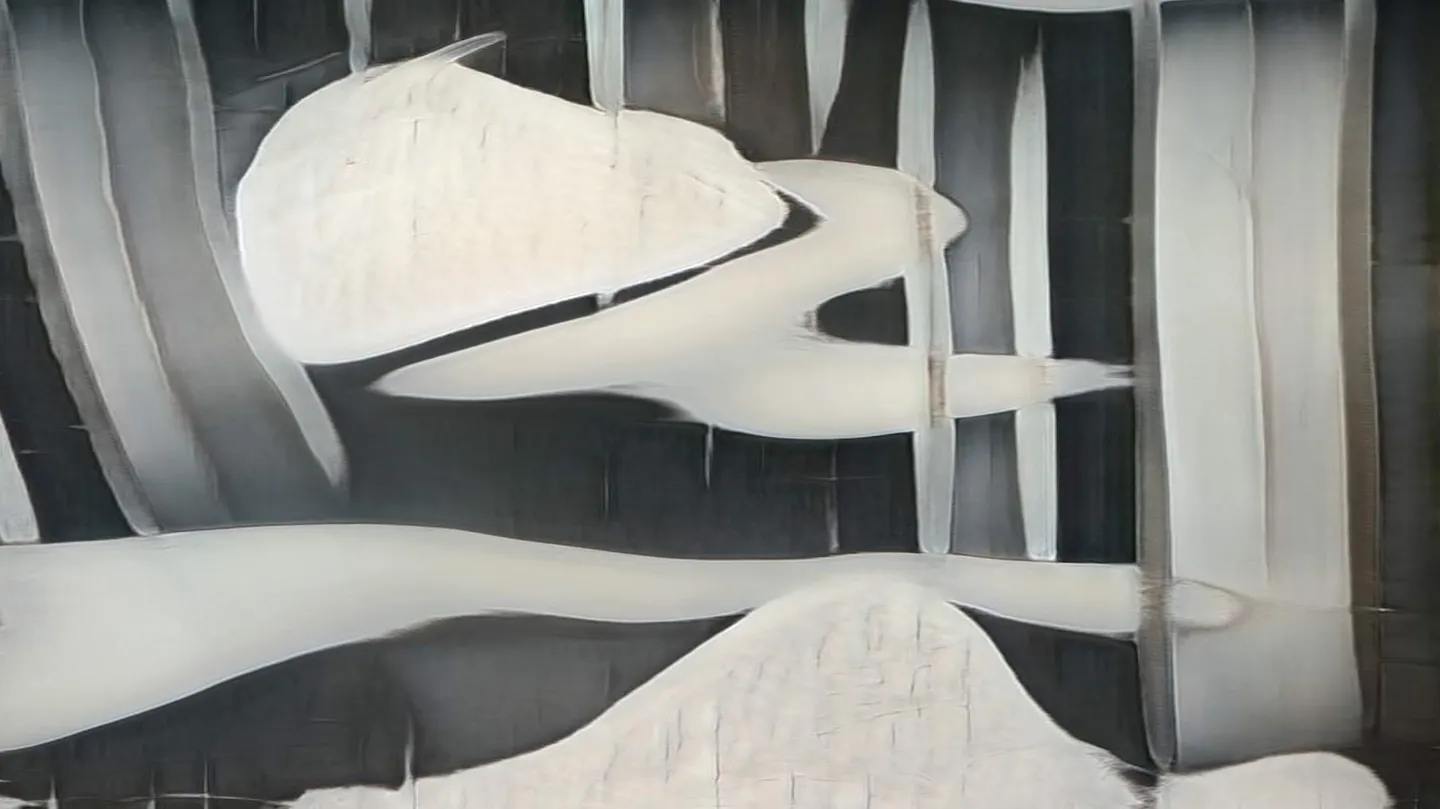
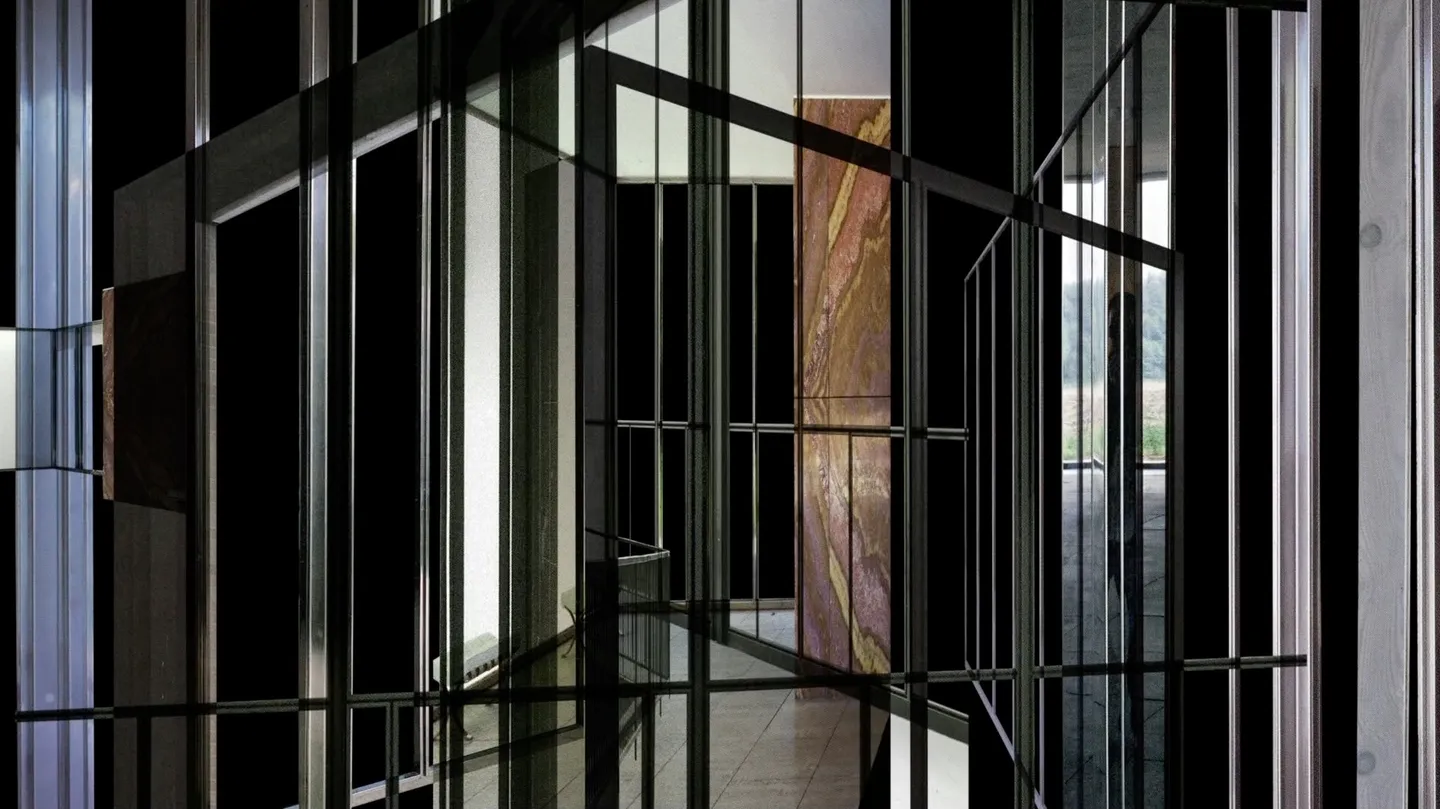
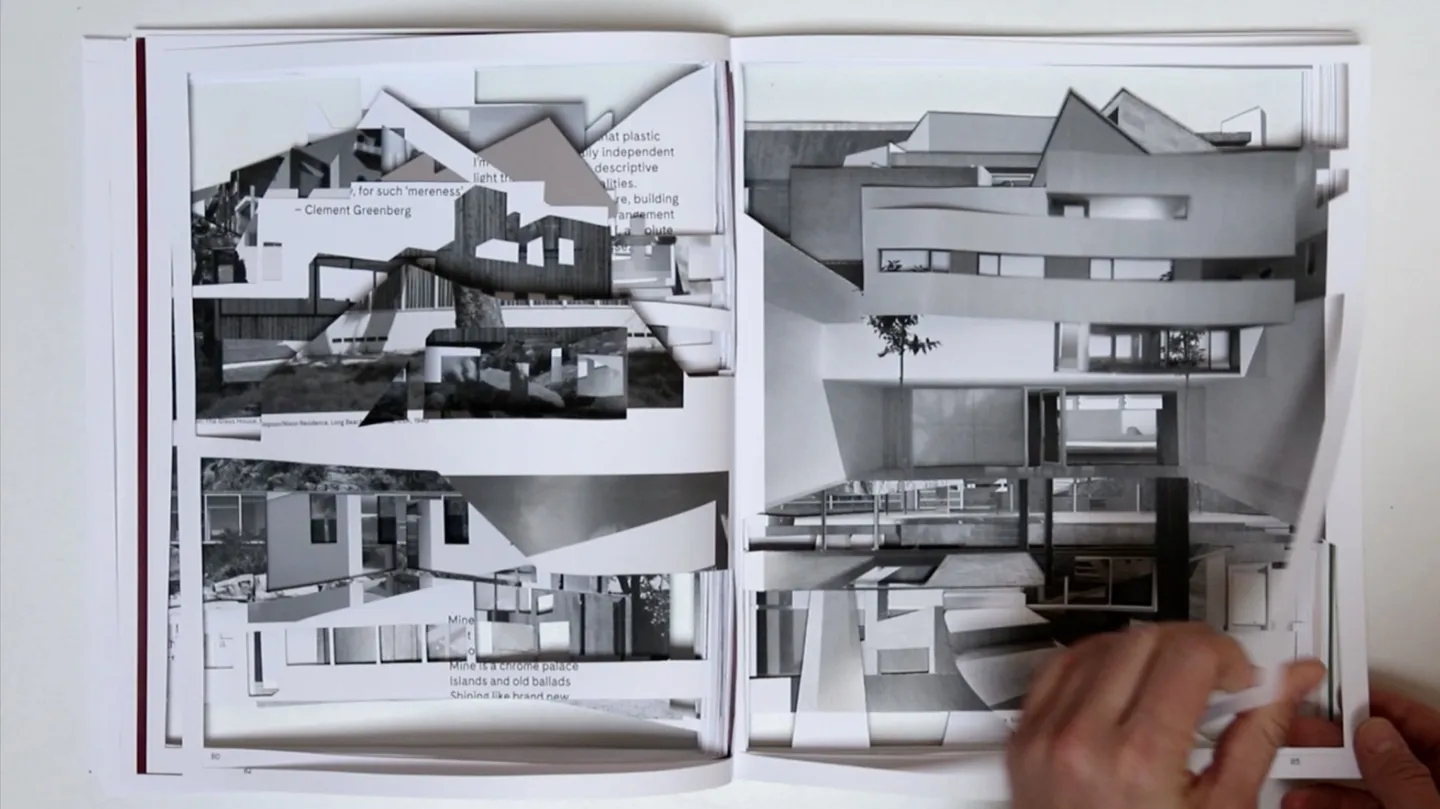
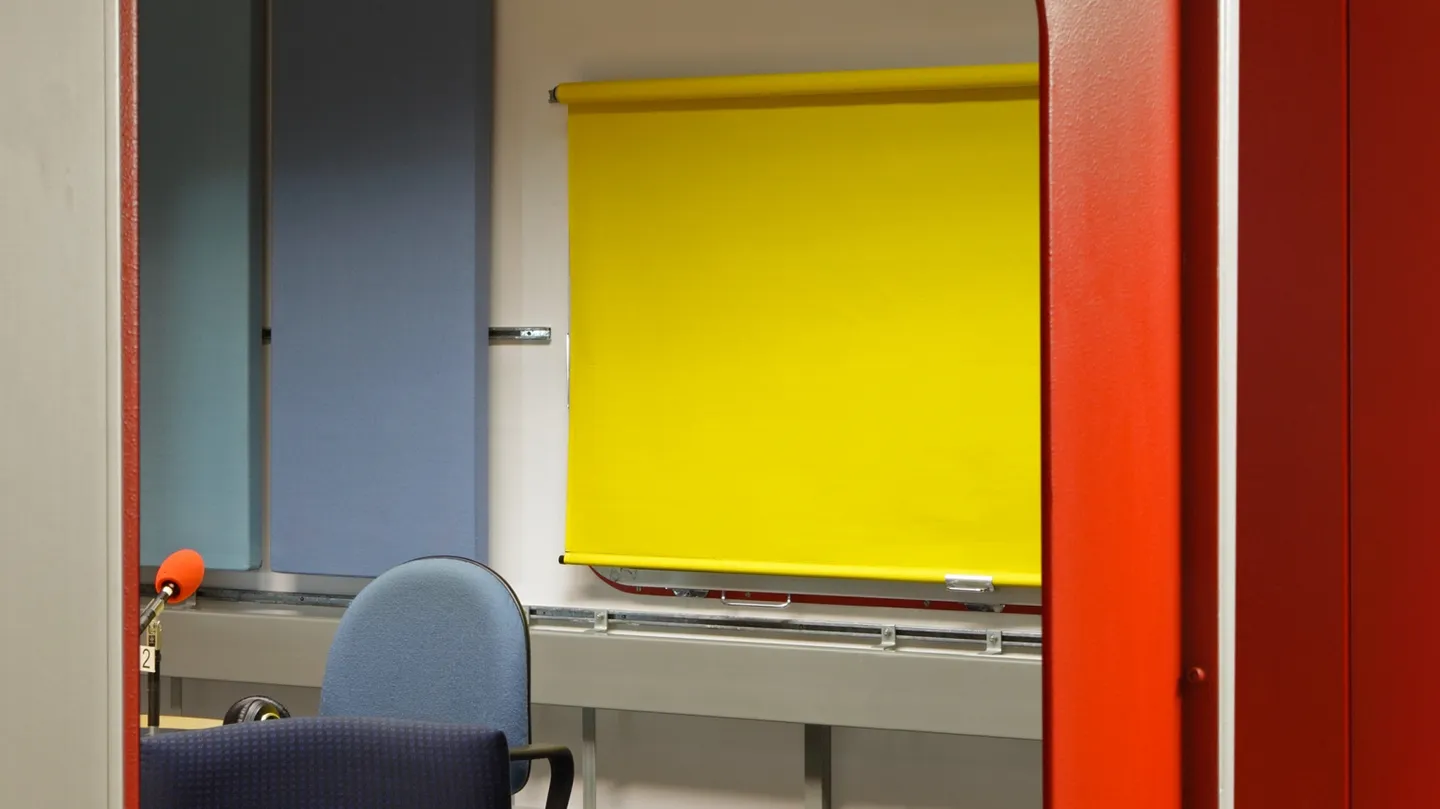
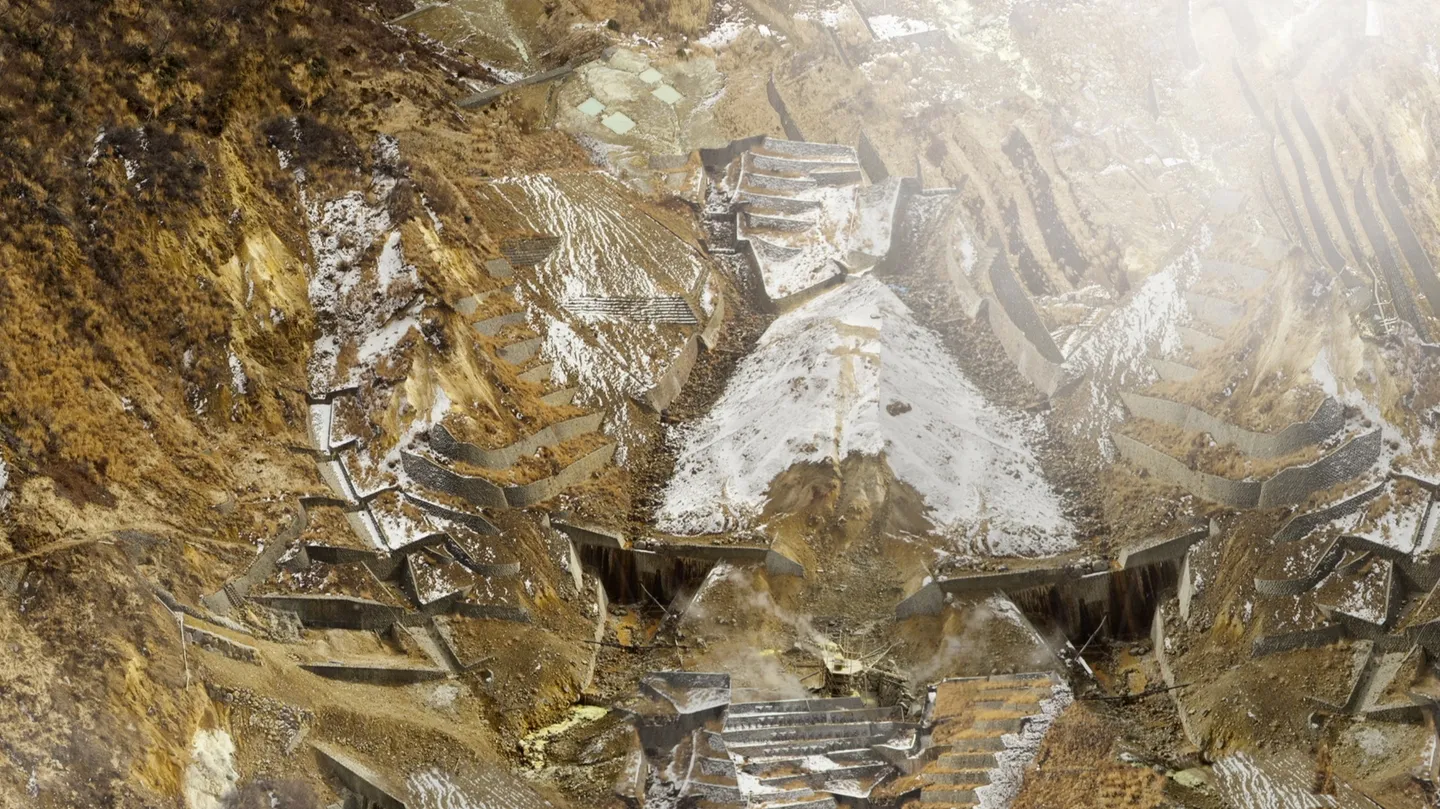
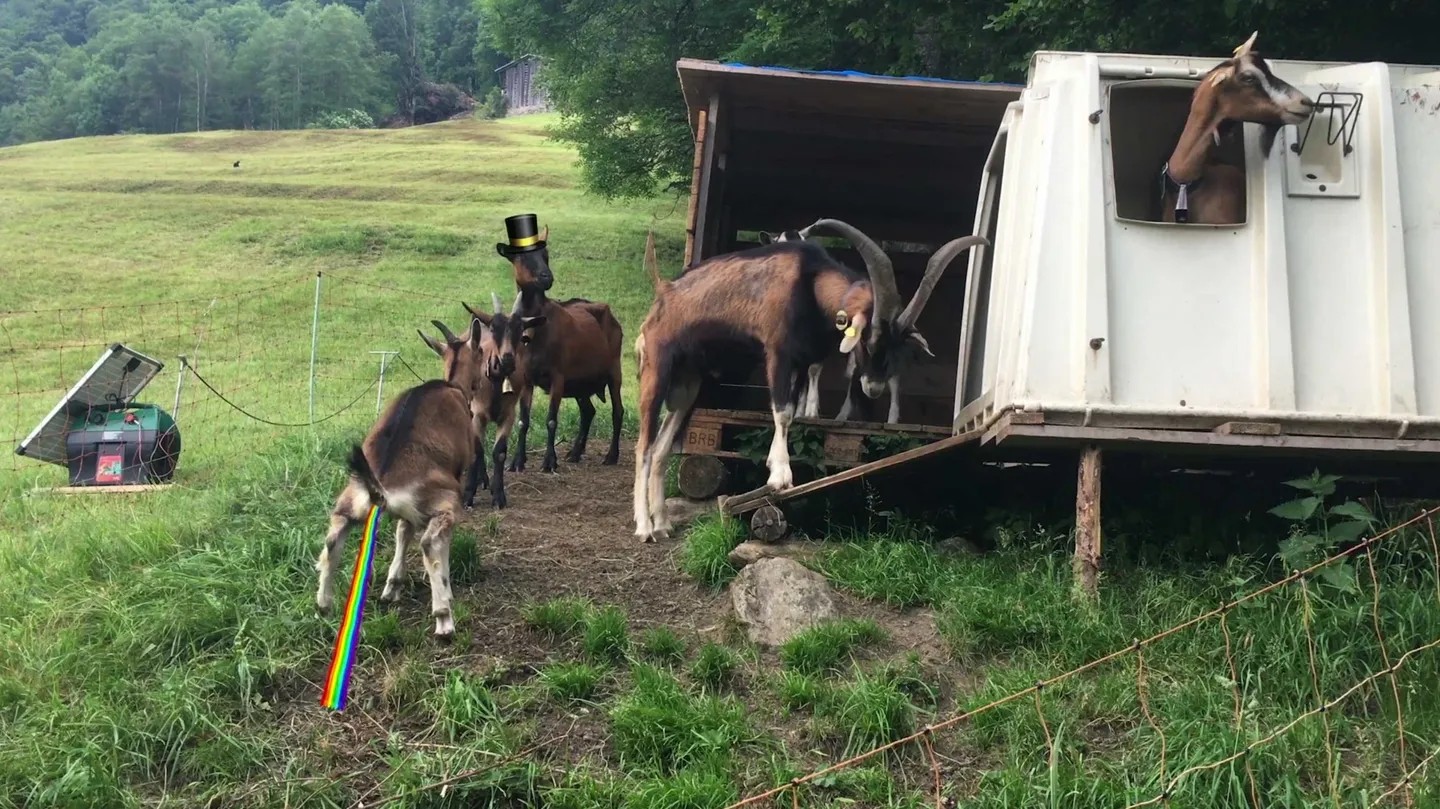
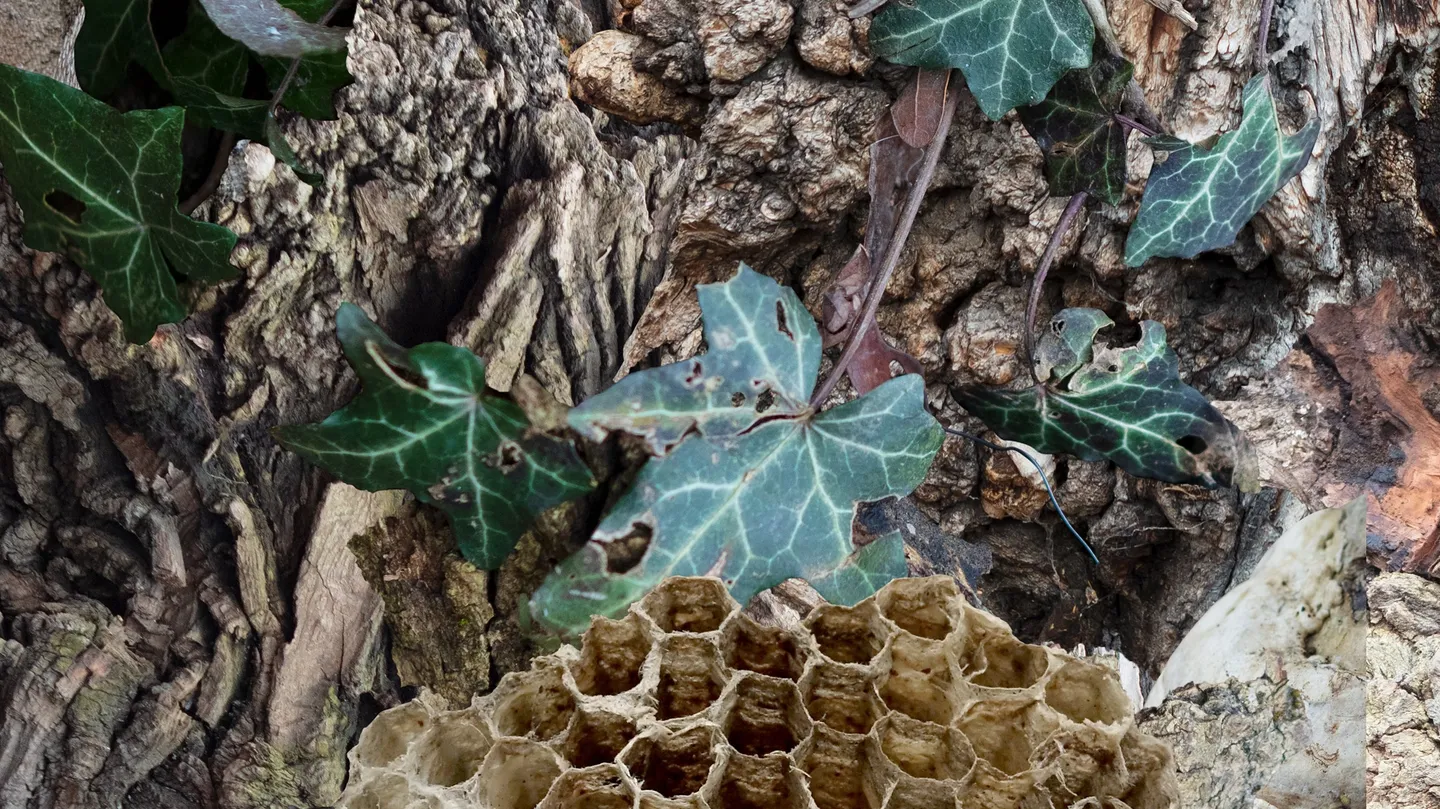
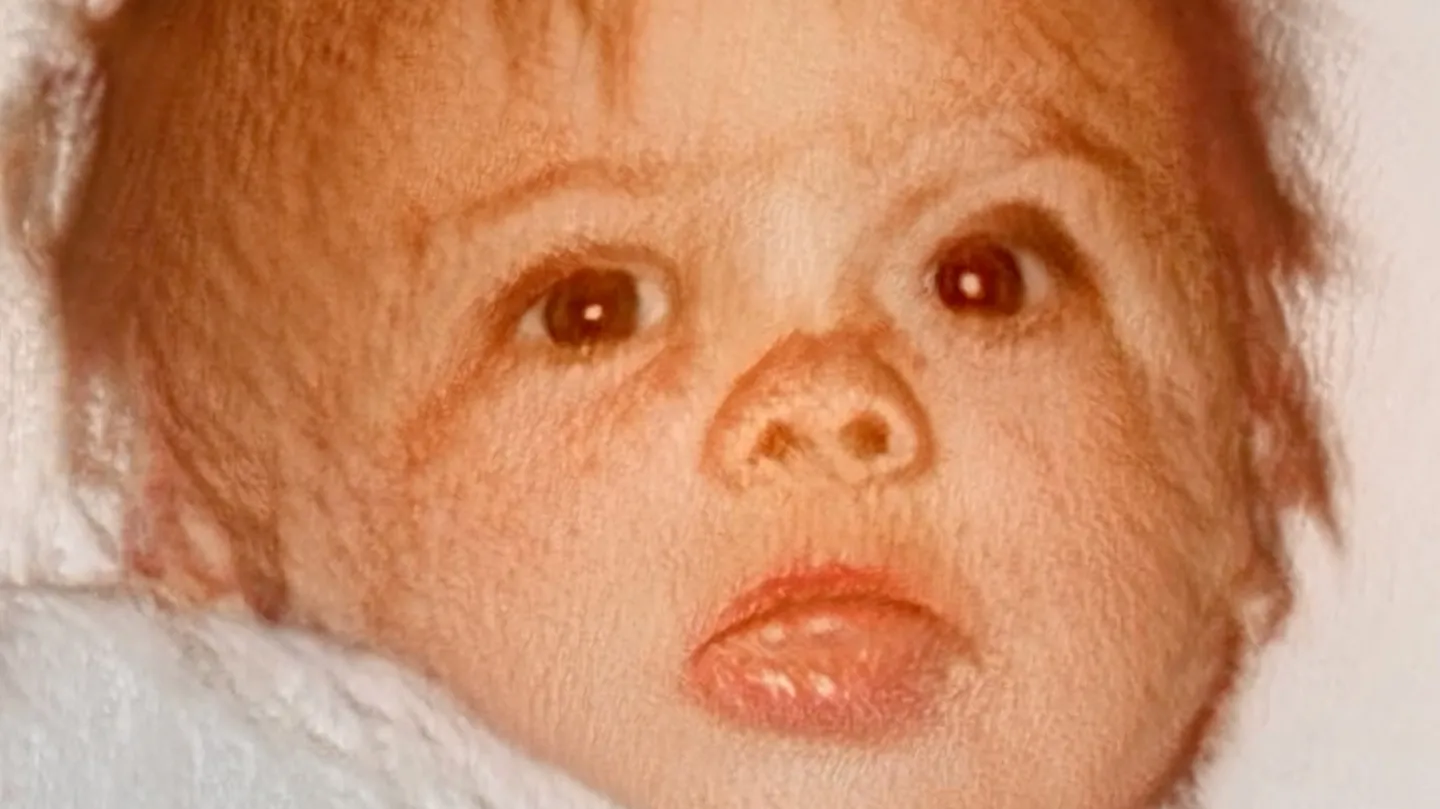
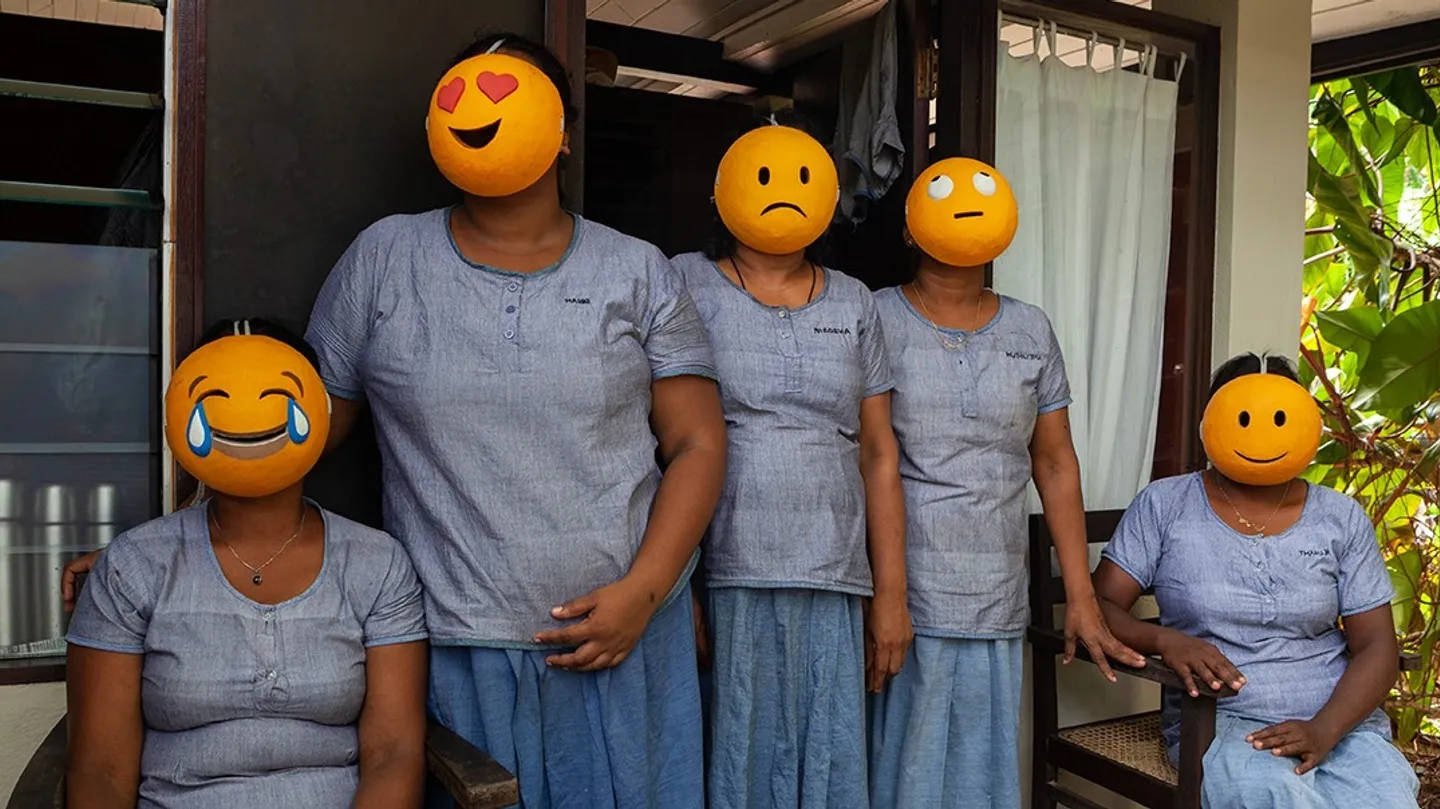
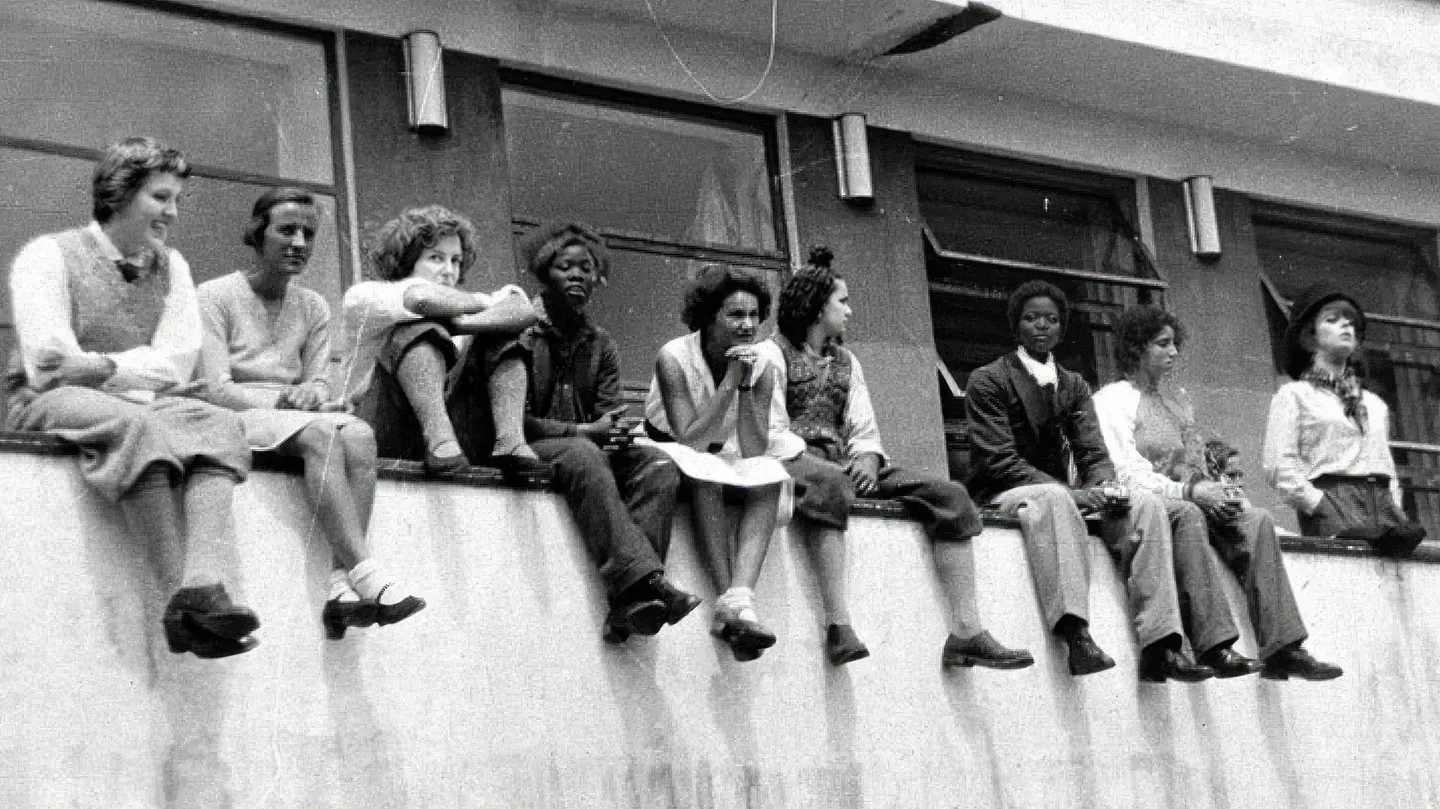
As a teenager, Claudia Larscher set up a darkroom in her parents' basement and developed her own photographs. She later studied transmedial art with Bernhard Leitner and sculpture and multimedia with Erwin Wurm at the University of Applied Arts Vienna. One of the first places where her interest in moving images began to develop into its own language was an electronic music club: there, Larscher worked with live video, light, and sound. Perhaps this is why her practice still exists somewhere between photography, film, architecture, and collage. In “Baumeister” and “Empty Rooms,” space ceases to obey normal physics: rooms, surfaces, and architectural fragments are assembled into places that seem familiar, although they could not exist in reality. Over time, this same logic of reassembly has been transferred from architecture to humans and machines. In “Me Myself and I,” algorithms distort the artist's own images, while chatbots discuss identity: the digital self literally begins to disintegrate into versions of itself. And “The Artist in the Machine” directly situates the artist alongside a system that is increasingly involved in image production. But Larcher's digital world never exists separately from the physical. In “Ore,” she literally brings technology back to the earth: to mines, rare earth minerals, the human body, the landscape, and the economics of extraction. What appears immaterial on screen turns out to be directly connected to what is extracted from the planet. Today, this journey is especially interesting to explore against the backdrop of her solo exhibition, “No Applause. No Life. No Pain.,” at the Francisco Carolinum as part of Ars Electronica 2026. Architecture, ecology, AI, extinction, and image production are once again part of the same conversation. This is perhaps the most interesting thing about Larcher: she doesn't change the subject every time a new technology emerges. The tools change, but the question remains largely the same: how do images and the systems around them construct the reality we accept as real?